
US clears $2.1 billion Patriot missile sale to Ukraine, paid by allies
The State Department approved a possible sale of 500 Patriot PAC-3 MSE interceptors to Ukraine worth about $2.1 billion, funded by Canada, Germany, Norway and an EU loan rather than U.S. money, but President Volodymyr Zelenskyy warned deliveries may not start for years.
AI-assisted · US Brief desk · Sources listed below
What happened
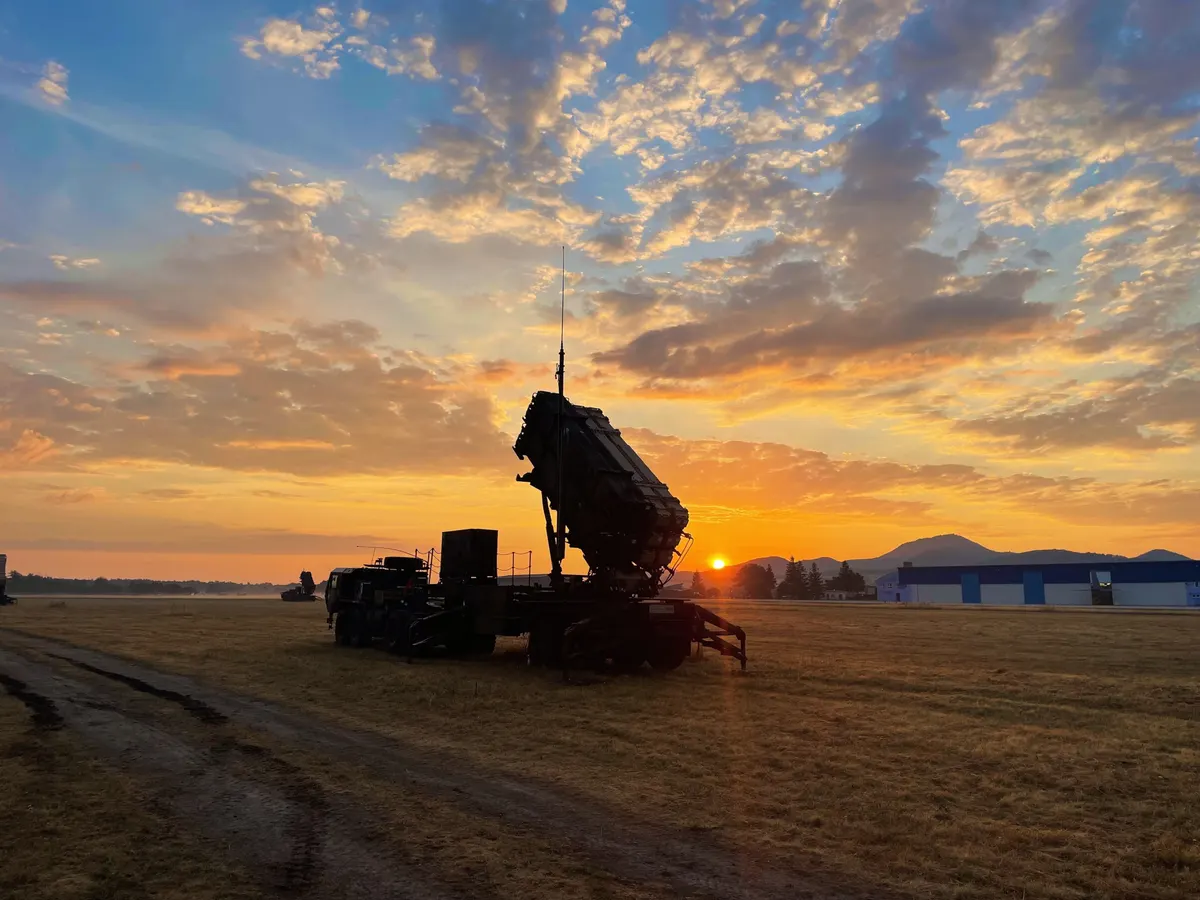
The State Department on Friday approved a possible Foreign Military Sale to Ukraine of 500 Patriot PAC-3 MSE interceptors, plus parts and support, at an estimated $2.1 billion. Lockheed Martin is the principal contractor. The Patriot is a U.S.-made air-defense system that fires these interceptor missiles to shoot down incoming ballistic missiles, cruise missiles and aircraft.
Why it matters
Russia has repeatedly targeted Ukraine's power grid in winter, and Euronews reported that dwindling interceptor stocks have already encouraged Russia to step up missile attacks. Ukraine gets most of its Patriots through NATO's PURL program, in which allies buy U.S. weapons for Kyiv; allies had committed more than $6 billion through it as of June 2026, per NATO.
What’s next
Congress has a review window before the sale can proceed, and Lockheed Martin and the Pentagon would then negotiate a contract. Lawmakers could delay or block it, though Breaking Defense said that is less likely given remaining bipartisan support for Ukraine.
More context
Who pays: From the State Department's notice to Congress, as quoted by Breaking Defense: Ukraine would buy the missiles "with donations from Canada, Germany, and Norway via the JUMPSTART program and national funds, financed by the European Union's Ukraine Support Loan. No U.S. funds are involved in this sale." JUMPSTART is a program set up in 2022 that lets other countries pay for U.S. equipment for Ukraine.
Kyiv's response: Zelenskyy called it a "strong decision" but wrote that "it has been stipulated that deliveries may begin ONLY IN A FEW YEARS," Euronews reported. He asked the U.S. and European partners to send PAC-3 missiles from their existing stocks "in the winter of 2026–2027" and refill their own supplies later from the newly paid-for production.
Timeline: On Oct. 19, The Washington Post reported that the U.S. appeared to have delayed Patriot transfers amid a falling-out between President Trump and Zelenskyy, according to Breaking Defense. CNN had reported days earlier that Kyiv had run out of interceptors. On Oct. 25, Zelenskyy said Patriot progress was moving "more slowly than Russian missiles fly." Earlier this week he said Kyiv had waited almost a month for Defense Secretary Pete Hegseth to sign off on a batch of Patriot and NASAMS missiles.
The administration's case: The notice says the sale "will support the foreign policy and national security objectives of the United States" by strengthening "a force for political and economic stability in Europe," while allies, not U.S. taxpayers, cover the bill.
Weak spot: The headline number does not help Ukraine this winter if Zelenskyy's warning about delivery is right, and the State Department did not immediately respond when Breaking Defense asked how the sale affects Kyiv's near-term shortage. Zelenskyy's own figure, given earlier to ABC News, is that Ukraine needs about 350 interceptors a month, so 500 missiles would cover under two months at that pace.
What's still unknown: When the first missiles would arrive; whether the U.S. or European countries will release missiles from current stocks in the meantime; and whether the final contract keeps the same quantity and price.
6 listed sources
- Breaking Defense, Oct. 30, 2026
- Euronews, Oct. 31, 2026
- CBS News, Oct. 31, 2026
- The Guardian, Oct. 31, 2026
- BBC News, Oct. 31, 2026
- AP, Oct. 30, 2026
References listed by US Brief; a source count is not a verification score.
Editorial sourcing notes
Sourcing: Breaking Defense (quoting the State Department's congressional notification), Euronews, CBS News, The Guardian, BBC and AP, Oct. 30–31. A notification like this is an early step: quantities and price can change in contract talks, and Congress can review the sale. The delivery estimate comes from Zelenskyy; the State Department had not given a timeline. Photos are U.S. military file images and do not show weapons bound for Ukraine.
Like US Brief? You can support it with a tip.