
Ukraine urges U.S. sanctions on backers of Russia's Starlink rival
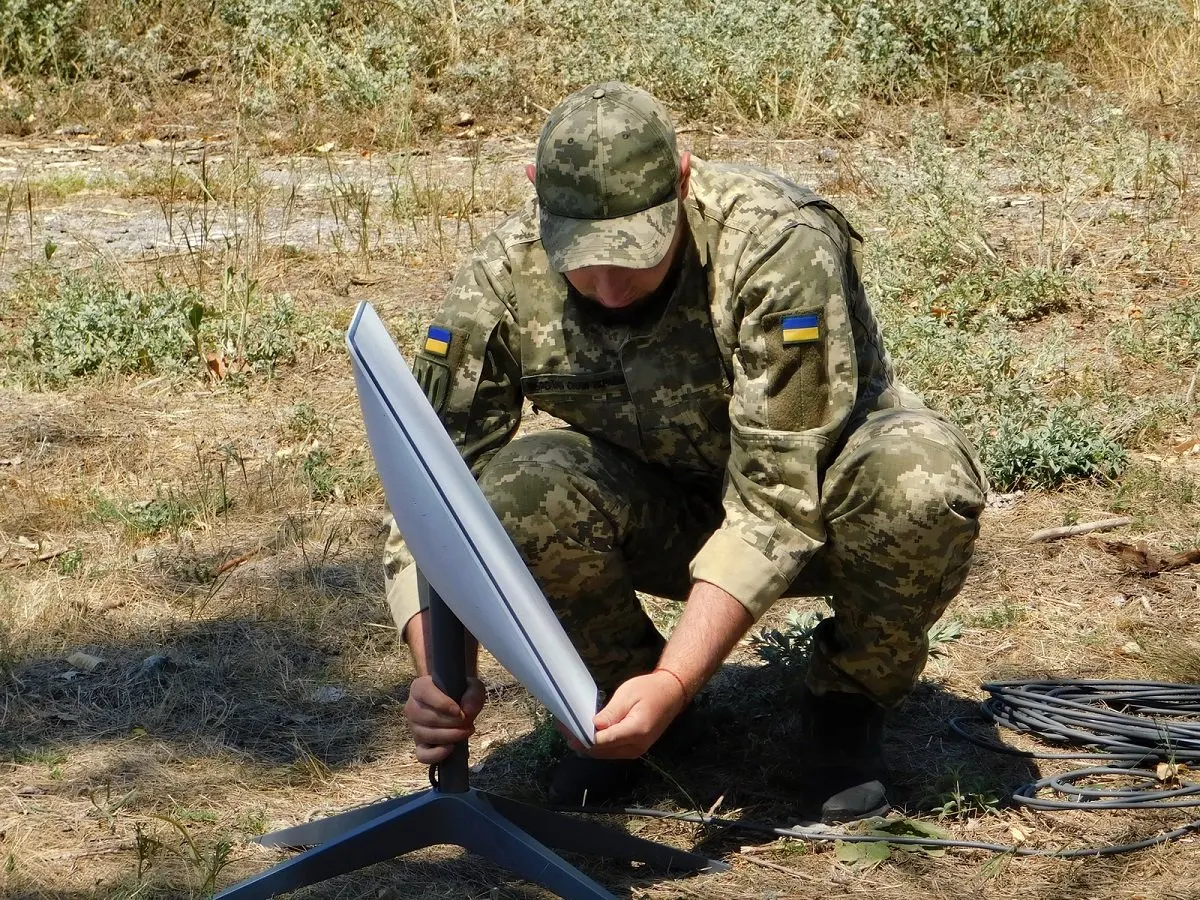
Ukraine's embassy in Washington pressed the United States on Wednesday to sanction Russian entities helping build Moscow's Rassvet satellite network — a planned Starlink alternative — warning that an operational system would let Russia strike Ukrainian targets in real time and calling gaps in Western sanctions a "game-changer" risk.
AI-assisted · US Brief desk · Sources listed below
What happened
Denys Sienik, deputy chief of mission at the Ukrainian embassy in Washington, told reporters that Russia is rapidly expanding Rassvet and that allowing the program to proceed without broader U.S. sanctions would make it possible for Moscow, Reuters reported. "If they launch Rassvet by the end of 2026, they will be able to target to hit Ukrainian targets real time on our territory," he said, adding that Kyiv would share names with the U.S. government and Congress and plans its own national sanctions on linked entities.
Why it matters
A Russian LEO broadband mesh would reduce Moscow's dependence on illicit Starlink use and could tighten kill chains for drones and missiles. Independent tracking reported in early September that Rassvet's first 32 satellites have struggled to reach planned orbits and that at least several appear failed or delayed — so the system is not yet a Starlink peer — but the Institute for the Study of War still warned even limited overpass windows can aid more precise strikes, Ars Technica reported Sep 2. Kyiv's Wednesday ask treats sanctions as a way to slow the program before it scales.
What’s next
The administration faces an Oct. 18 deadline to decide which Russian entities, if any, to sanction under the new Lindsey O. Graham sanctions law, the Kyiv Independent reported, citing AP. Watch whether the Treasury or State Department announce new designations tied to Rassvet suppliers, whether Congress takes up Kyiv's list, and whether SpaceX expands Starlink coverage over Russian territory for Ukrainian targeting — none of which Reuters reported as decided Wednesday.
More context
Ukraine pressed the United States on Wednesday to sanction Russian companies and individuals helping build Moscow's Rassvet satellite internet network, arguing that a working Starlink-style system would be a battlefield "game-changer" against Ukrainian targets.
What Rassvet is: Rassvet is being developed by Bureau 1440 under Iks Holding as a domestic alternative to SpaceX's Starlink, which is banned in Russia. Iks Holding CEO Alexei Shelobkov said in June the network aims to start operations in 2027 after launching a first batch of 16 low-Earth-orbit satellites in March, with plans to grow toward roughly 900 spacecraft over several years, Reuters and Kyiv Post reported. SpaceX has more than 10,000 satellites in orbit, Reuters noted.
Starlink and the war: Separately, Kyiv has been pushing for expanded Starlink coverage over Russian territory so Ukrainian forces can better locate ballistic-missile launchers inside Russia — a request Finnish President Alexander Stubb backed last week, Reuters said. With winter approaching, Ukraine faces an acute air-defense shortage against Russian ballistic missiles, and officials argue Starlink over Russian territory would help target the launchers firing them.
U.S. businesses hit: Sienik also voiced frustration that Washington stayed relatively quiet when Russian missiles struck American firms operating in Ukraine, after louder U.S. complaints when Ukrainian strikes affected U.S. assets in the Caspian Sea. He said last week he posted details of hits on offices of Boeing, Flex, and Bunge, plus a Coca-Cola facility in the Kyiv region and a logistics site serving McDonald's, and argued sanctions plus air defenses are needed to protect Ukrainian civilians and U.S. investment.
5 listed sources
- Reuters (Andrea Shalal), Sep 30, 2026: Ukraine urges US to sanction entities supporting Russia's Starlink rival
- Kyiv Independent (citing AP), Sep 30, 2026: Ukraine urges US sanctions on suppliers to Russia's Rassvet satellite network
- Kyiv Post, June 5, 2026: Russia Says Its Starlink Rival 'Rassvet' Will Launch Commercially in 2027
- Ars Technica (Stephen Clark), Sep 2, 2026: Is Russia's rival to Starlink failing? Here's what we know
- Sourcing note: No Fox News, Washington Examiner, NY Post or Breitbart coverage of the Rassvet sanctions request was found as of Oct 1, 10 AM PT; core facts rest on Reuters and AP (via Kyiv Independent).
References listed by US Brief; a source count is not a verification score.
Editorial sourcing notes
Primary sourcing: Reuters (Andrea Shalal), Sep 30, 2026, 9:29 PM UTC — Denys Sienik (deputy chief of mission / acting ambassador framing in Reuters lede) urges U.S. sanctions on entities aiding Rassvet; warns launch by end-2026 enables real-time targeting; Ukraine to issue national sanctions; Shelobkov/Iks Holding June comments on 2027 ops and March first 16 satellites / ~900 over years; SpaceX >10,000 satellites; Starlink banned in Russia; Ukraine wants Starlink over Russian territory for ballistic-launcher targeting (Stubb backing noted); Sienik X posts on Boeing/Flex/Bunge/Coca-Cola/McDonald's logistics hits. Background: Kyiv Post, June 5, 2026 — Shelobkov at SPIEF: commercial Rassvet in 2027; Bureau 1440 first 16 from Plesetsk in March. Ars Technica (Stephen Clark), Sep 2, 2026 — deployment delays/failures among first 32 satellites; none at designed ~500-mile orbit as of that report; ISW notes limited Ukraine overpasses — cited as caveat, not as contradicting Kyiv's sanctions ask. U.S. government response to Sienik's Wednesday ask not reported in Reuters piece at publish. Refresh if State/Treasury announce designations. Refresh 10:10 AM PT Oct 1: re-verified against Reuters reprints (Straits Times, Ukrainska Pravda, Oct 1); no U.S. designations announced yet. Added Kyiv Independent/AP for the Oct. 18 deadline under the Graham sanctions law signed Sept. 18.
Like US Brief? You can support it with a tip.