
U.S. monitors suspected plague death of Russian lab worker in Siberia
A 28-year-old worker at a Russian anti-plague institute near Irkutsk died after severe pneumonia, and about 200 contacts are under observation. Russia's health agency rejects reports of plague and says the cause is unknown. The State Department says it is watching with the CDC and urged Moscow to share accurate information quickly.
AI-assisted · US Brief desk · Sources listed below
What happened
The 28-year-old woman worked at the Irkutsk Anti-Plague Institute in Shelekhov, a town near the regional capital of Irkutsk. She was hospitalized there Sept. 29 with severe pneumonia, placed on a ventilator, and died about two days later, The Moscow Times and Axios reported.
Why it matters
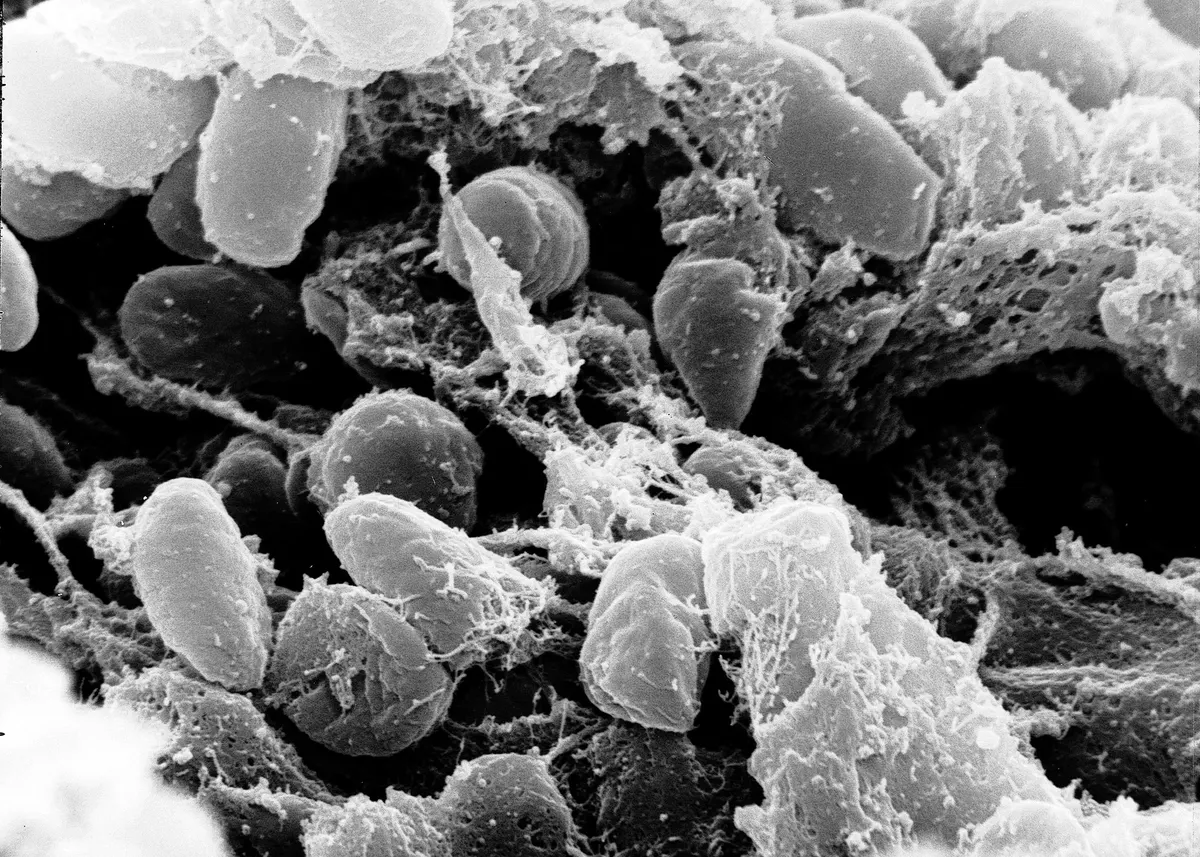
Pneumonic plague infects the lungs and is the only form of plague that spreads from person to person, through respiratory droplets. The World Health Organization says plague can be deadly but is treatable with common antibiotics, especially when caught early. A former Rospotrebnadzor chief, Gennady Onishchenko, told TASS it is "most likely not the plague" and that cold weather would limit any spread.
What’s next
Kobzev said all contacts are getting daily lab tests. Officials have not reported any other illnesses, and Russia has not released a final diagnosis.
More context
The State Department said Sunday it is monitoring reports that a worker at a Russian anti-plague research institute in Siberia died of suspected pneumonic plague. It urged Moscow to share accurate information quickly.
Conflicting accounts: Alexei Tsydenov, head of the neighboring Buryatia region, said she died "possibly from the plague," CNN reported. Russia's public health agency, Rospotrebnadzor, has rejected reports of plague. It lists the cause as "pneumonia of unknown etiology" and says expanded tests found no microbes linked to her work. Some Russian media reported she broke a test tube holding the plague pathogen; the agency says no lab accident occurred.
Precautions: Nearly 200 people who had contact with her are under medical observation, according to Russian media. Irkutsk Gov. Igor Kobzev said they show no signs of illness and have tested negative. Rospotrebnadzor said testing of contacts found two cases of COVID-19 and two of rhinovirus, and no other infections, RIA Novosti reported. A maternity hospital was placed under quarantine, and the nearby Irkutsk Aluminum Plant told staff to wear masks. The plant's director said "there are many rumors and conflicting reports circulating."
U.S. response: "We are monitoring the situation closely with the CDC and our other interagency partners," a State Department official said. "Many details have not been confirmed." A Trump administration official told Axios the administration is "aware, monitoring the outbreak, and assessing options." The State Department urged Americans abroad to enroll in its Smart Traveler program for updates, Fox News reported.
Sources across the spectrum This story cites right-leaning and mainstream or left-leaning outlets. Every source is listed below.
10 listed sources
- Fox News, Oct 4, 2026: US monitoring suspected fatal pneumonic plague case in Russia, State Department official says
- CNN via WTAE, Oct 4, 2026: US State Department, CDC monitoring after researcher at Russian plague laboratory dies of 'unknown' infection
- Axios, Oct 4, 2026: White House monitors suspected plague outbreak in Russia
- NewsNation via PHL17, Oct 4, 2026: State Department monitoring reports of suspected plague death in Russia
- The Moscow Times, Oct 2, 2026: Nearly 200 people under observation after Irkutsk lab worker dies from plague
- Meduza, Oct 4–5, 2026: Hospitals in Irkutsk impose quarantines after an employee at an anti-plague institute dies
- Kyiv Independent, Oct 4, 2026: Plague death triggers quarantine, mask mandates in Russia's Irkutsk region in Siberia
- Kommersant, Oct 4, 2026: Rospotrebnadzor refutes reports of infection at Irkutsk institute (in Russian)
- Business FM (citing RIA Novosti), Oct 4, 2026: Rospotrebnadzor comments on the situation in the Irkutsk region (in Russian)
- Sourcing note: Russian official positions come from Rospotrebnadzor, Gov. Igor Kobzev and state media TASS, as quoted by CNN, Axios and the Kyiv Independent. The Moscow Times and Meduza are independent Russian outlets based outside Russia; the Kyiv Independent is Ukrainian. U.S. statements are confirmed by outlets across the spectrum (Fox News, CNN, Axios, NewsNation). Kommersant and Business FM (citing state agency RIA Novosti) report Rospotrebnadzor's full statement. No AP or Reuters story found as of ~7:10 PM PT Oct 4.
References listed by US Brief; a source count is not a verification score.
Editorial sourcing notes
Russian authorities have not confirmed plague, and Russia's public health agency, Rospotrebnadzor, has rejected reports of it: it lists the cause as pneumonia of unknown origin and says tests found no microbes linked to the worker's job. The plague claim comes from the head of the neighboring Buryatia region and from Russian media reports. Accounts of how the worker fell ill conflict. U.S. statements come from a State Department official quoted in Fox News, CNN and NewsNation reports, and an administration official quoted in Axios. No AP or Reuters report was found as of ~7:10 PM PT Oct 4.
Like US Brief? You can support it with a tip.