
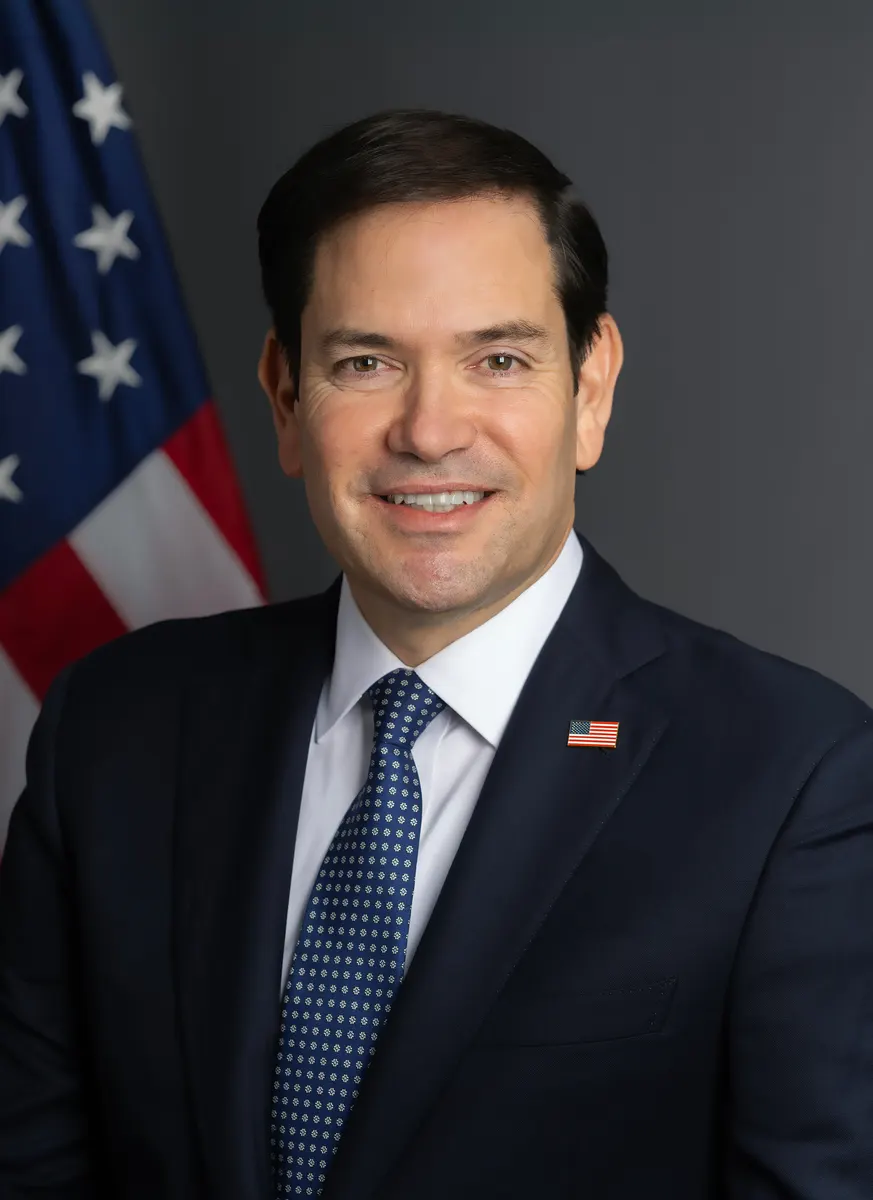
Rubio tells G7 allies there is 'no need' for major Iran combat
Secretary of State Marco Rubio said Tuesday, after two days of G7 foreign ministers' talks in Paris, that U.S. sanctions and the naval blockade of Iranian ports are working so well that major combat operations against Iran aren't needed now. Iran said its offer to reopen the Strait of Hormuz on its terms still stands, and Britain called for an "all-out diplomatic effort."
AI-assisted · US Brief desk · Sources listed below
What happened
Secretary of State Marco Rubio told reporters in Paris on Tuesday, after two days of meetings with G7 foreign ministers, that U.S. economic pressure on Iran makes major military action unnecessary for now. "The economic campaign is so devastating that right now there is no need for major combat operations," he said, according to AFP. "That's what I told our allies here today."
Why it matters
Shipping through Hormuz is still under threat. On Tuesday the Emirati state oil company ADNOC said one of its vessels was damaged in an attack in UAE waters, and the British maritime agency UKMTO said a tanker was hit by an unknown projectile off Oman, AFP reported. Brent crude rose 1.2% to $92.55 a barrel on Wednesday after a sharp selloff, Dow Jones reported.
More context
In his words: Rubio rejected the idea that holding off amounts to a standoff. "We don't need to conduct military strikes if we're achieving the same objective through economic means and economic pressure. That's not stalemate," he said, Reuters reported. "Never has Iran ever faced the inability to sell energy in the global market like they are today." He said regional allies had backed that assessment.
The allies' view: British Foreign Secretary Ed Miliband said the world must "move beyond the 'no war, no peace' stalemate, which is causing deep economic pain for our countries." He called for "an all-out diplomatic effort to end this conflict, prevent a nuclear Iran" and get the Strait of Hormuz "properly reopened," AFP reported.
Tehran's answer: Foreign Minister Abbas Araghchi told the state news agency IRNA that the conflict "will not be resolved through military means, nor by intensifying sanctions," and said Iran's two-day offer to reopen Hormuz remains on the table. Iran's conditions include ending the war on all fronts, unfreezing its assets, lifting oil sanctions and ending the U.S. blockade of its ports, AFP reported. Qatar, a mediator, said there had been progress. "We remain hopeful," foreign ministry official Ibrahim al-Hashmi said.
Inside the White House: Top advisers including new chief of staff Stephen Miller and Treasury Secretary Scott Bessent prefer economic pressure over strikes, and Vice President JD Vance prefers a deal, one person familiar with the thinking told Reuters. That person said Trump is convinced for now that a workable deal is not possible. The White House did not respond to Reuters.
Timeline: Late February: U.S.-Israeli strikes start the war and kill Supreme Leader Ayatollah Ali Khamenei, AFP reported. August: Washington announces what it calls an "economic asphyxiation" campaign. Nov. 3: Republicans lose both chambers in the midterms. Nov. 9: After meeting Qatar's prime minister, Trump calls more strikes "quite unlikely." Nov. 10: Rubio briefs G7 allies in Paris.
What would change the story: Iran accepting talks on terms short of its current demands, or new attacks that close the strait again. Israeli Prime Minister Benjamin Netanyahu warned Tuesday that Israel may soon face international pressure "to accept a nuclear-armed Iran," AFP reported.
4 listed sources
- Reuters (via Al-Monitor; Simon Lewis, Humeyra Pamuk), Rubio says no need for major combat operations against Iran given US economic campaign, Nov. 10, 2026
- AFP (via France 24), Rubio says 'no need' to attack Iran as diplomacy gathers pace, Nov. 10, 2026
- The Jerusalem Post, US economic campaign removes need for major combat against Iran, Marco Rubio says, Nov. 10, 2026
- Dow Jones (via Morningstar), North American Morning Briefing: Nasdaq Futures Surge as AI Optimism Grips Markets, Nov. 11, 2026
References listed by US Brief; a source count is not a verification score.
Editorial sourcing notes
Rubio's remarks are on the record via Reuters and AFP. Reuters' report on which advisers favor economic pressure rests on one unnamed person familiar with the administration's thinking; the White House did not respond to Reuters.
Like US Brief? You can support it with a tip.