
Pakistan imposes emergency rule in Imran Khan's KP province
President Asif Ali Zardari approved emergency and governor's rule in Khyber Pakhtunkhwa on Oct. 11, suspending the PTI provincial government. Islamabad cites terrorism; PTI calls it a political takeover and says Chief Minister Sohail Afridi and other leaders have been detained.
AI-assisted · US Brief desk · Sources listed below
What happened
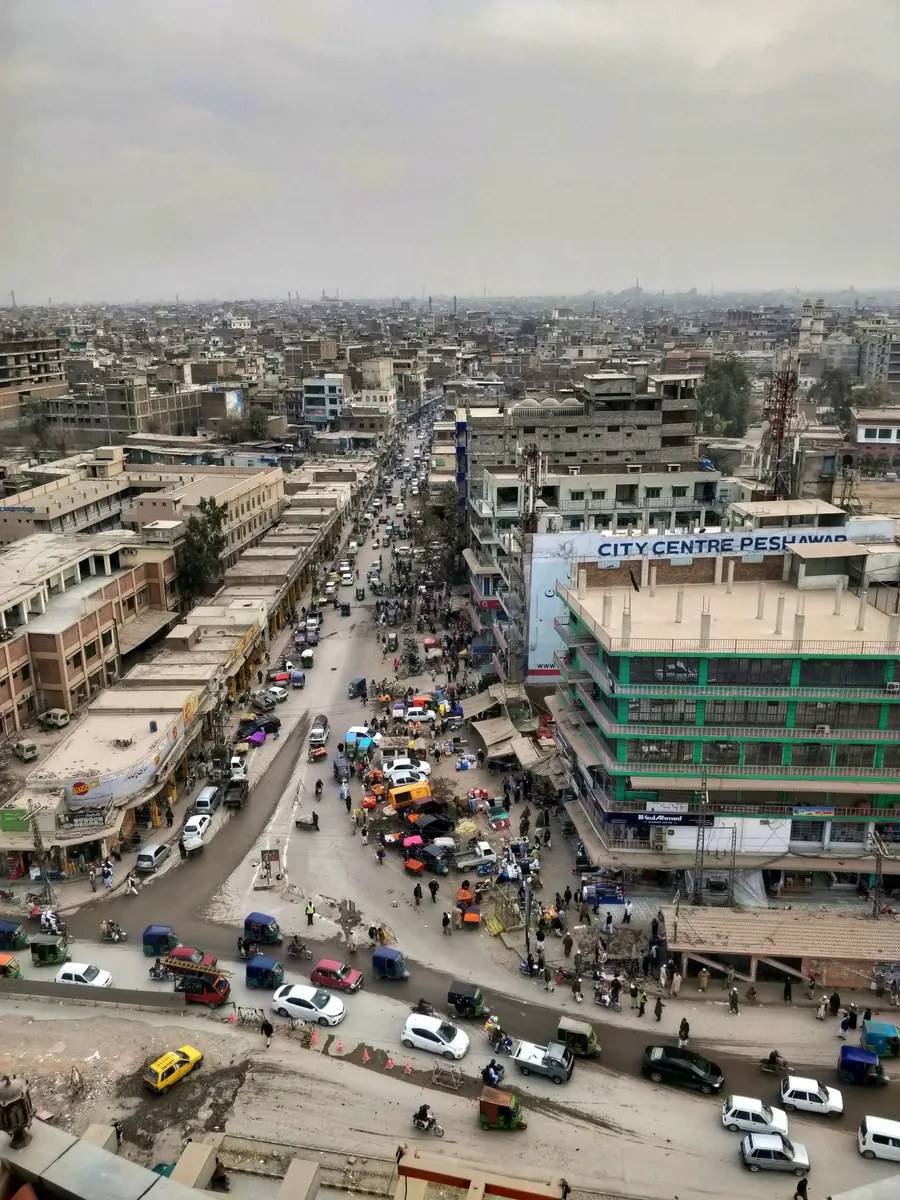
On Sunday, President Asif Ali Zardari approved a federal cabinet recommendation to impose a state of emergency and governor's rule in Khyber Pakhtunkhwa under Articles 232 and 234 of Pakistan's Constitution, Al Jazeera and Dawn reported. The move suspends the provincial government led by jailed former Prime Minister Imran Khan's Pakistan Tehreek-e-Insaf (PTI). Governor Faisal Karim Kundi takes over with an 11-member advisory council; Parliament assumes the assembly's powers.
Why it matters
KP is Pakistan's most populous opposition-held province and a long-time PTI stronghold. Federal emergency rule there, days after talks over a march for Imran Khan's release collapsed, raises the stakes for the Oct. 21 parliamentary vote and for street unrest.
More context
Islamabad's case: Law Minister Azam Nazeer Tarar cited "law and order, fight against terrorism," and said the provincial government had shown "deliberate disengagement" from that fight. Information Minister Ataullah Tarar accused the PTI government of being "hand in glove with the terrorists," without releasing evidence, Al Jazeera reported. PICSS, an Islamabad think tank, recorded 1,232 armed attacks nationwide in the first nine months of 2026, mostly in KP and Balochistan.
PTI response: PTI rejects the justification and says Chief Minister Sohail Afridi, the provincial president, the speaker and other leaders have been detained. Party chair Gohar Ali Khan asked why governor's rule covers the whole province if the security focus is 12 border districts. Former provincial finance minister Taimur Jhagra told Al Jazeera the province was fighting terrorism and that Balochistan would have needed an emergency first if terrorism alone were the test.
Timeline / next votes: Because Zardari acted without a provincial assembly resolution, both houses of Parliament must approve the emergency within 10 days — by Oct. 21. A joint sitting must consider it within 30 days; it lapses after two months unless approved. Once approved, the emergency has no fixed end date. Separately, governor's rule under Article 234 can run at most six months with parliamentary extensions.
What's still unknown: Whether Parliament clears the emergency by Oct. 21, what evidence Interior Minister Mohsin Naqvi said the government holds, and whether PTI's court and street challenge restores the elected provincial government.
3 listed sources
References listed by US Brief; a source count is not a verification score.
Editorial sourcing notes
Sequence and constitutional mechanics from Al Jazeera's Oct. 12 explainer and Oct. 11 news report; Dawn coverage of the cabinet decision. Terrorism attack counts that Al Jazeera attributed to PICSS. Government allegations that PTI was "hand in glove with the terrorists" were stated without public evidence, as Al Jazeera noted; PTI denies them.
Like US Brief? You can support it with a tip.