
Kenya Ebola cases rise to seven as three health workers test positive
Kenya confirmed four new cases of Bundibugyo Ebola on Saturday, three of them health workers who treated the country's first patient, bringing its total to seven including one death; the Ministry of Health says all four were already in quarantine and there is no evidence of community spread.
AI-assisted · US Brief desk · Sources listed below
What happened
Kenya's Ministry of Health said Saturday that four more people have tested positive for Bundibugyo virus disease, a form of Ebola, raising the country's confirmed total to seven, including the first patient, who died. Three of the new patients are health workers, two men and a woman aged 29, 35 and 32, who cared for that first patient at the hospital on Oct. 3 and 4. The fourth is a close male relative of the man who died. All four were already in quarantine when they developed a fever, and samples tested positive at both the National Virology Reference Laboratory and the Kenya Medical Research Institute, Director-General for Health Patrick Amoth said.
Why it matters
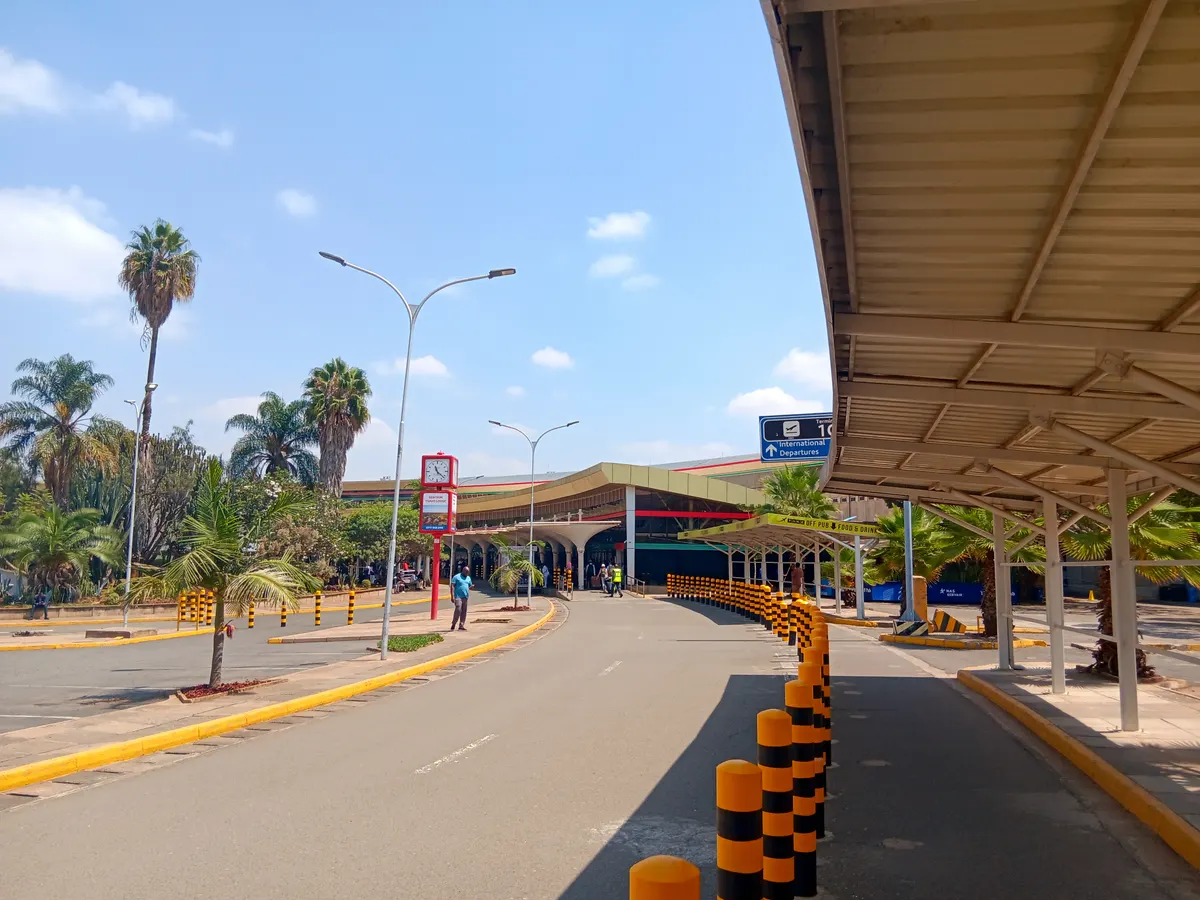
These are the first infections known to have been passed on inside Kenya, and the first among the people treating patients, Al Jazeera and CNA report. Health workers often catch Ebola early on, before a patient is known to have it, and the cases put the focus on infection-control gear and training; WHO says nearly 5,000 Kenyan health workers have been trained since May. Nairobi is East Africa's main air hub, and CNA reports the first patient's arrival has raised questions about screening at the Congo-Uganda border and at Jomo Kenyatta International Airport.
More context
Where things stand: The ministry said 128 of the first patient's 130 identified contacts, or 98.5%, have been traced and quarantined, above the 85% benchmark it cites as needed to break chains of transmission, and that teams are still looking for the other two. "The risk to the general public remains low as there is no evidence of community transmission," Amoth said, while warning that more cases among quarantined contacts are possible until their 21-day monitoring period ends. The second and third patients are stable and responding to supportive care, the ministry said. The government has not restricted travel, trade or public gatherings, and it runs a toll-free line, 719, for anyone with symptoms.
Timeline of Kenya's cases: Oct. 3, a Kenyan man who had been ill in Congo for about a month travels by road to Uganda and flies into Nairobi, according to AP. Oct. 5, he dies; Kenya reports its first-ever Ebola case to the World Health Organization on Oct. 6, WHO says. Oct. 14, a 39-year-old male relative becomes the second case. Oct. 16, a 65-year-old female relative becomes the third. Oct. 17, the three health workers and another male relative bring the total to seven. Every case after the first was found among people already in quarantine, the ministry says.
The wider outbreak: Kenya's cases are linked to the Ebola epidemic in the Democratic Republic of the Congo, declared in May, which has recorded more than 9,000 cases and more than 4,000 deaths, according to wire reports carried by Al Jazeera and CNA. The dominant strain is Bundibugyo, for which there is no licensed vaccine or specific treatment yet, WHO says, although trials are under way in Congo. Ebola spreads through direct contact with the blood or other bodily fluids of a sick person, or with contaminated materials such as bedding, not through the air.
What remains unknown: how the first patient passed screening on his way into Kenya; where the last two contacts are; whether anyone outside the traced contact list was exposed; and how the health workers were infected, including whether protective gear was in use during the two days they treated him. What would change the story: a case in someone who was not on the contact list, which would point to community spread, or 21 days passing for all contacts without new cases.
8 listed sources
- Daily Nation (Kenya), Oct. 17, 2026
- KBC (Kenya Broadcasting Corporation), Oct. 17, 2026
- Africa CDC statement, Oct. 17, 2026
- Al Jazeera with AP, Oct. 17, 2026
- CNA, Oct. 17, 2026
- AP, Oct. 17, 2026
- WHO Regional Office for Africa, Oct. 16, 2026
- AP, Oct. 14, 2026
References listed by US Brief; a source count is not a verification score.
Editorial sourcing notes
Case counts, ages, quarantine dates and contact-tracing figures come from Kenya's Ministry of Health statement of Oct. 17, as reported by the Daily Nation, KBC and CNA, and from WHO Africa's Oct. 16 release. Totals for the outbreak in the Democratic Republic of the Congo are wire-reported round figures and differ slightly between outlets. The photos are file images and do not show the patients or the current response.
Like US Brief? You can support it with a tip.