World briefing
Iran’s Safavi warns conflict could spread to Indian Ocean if U.S. strikes again
Major General Yahya Rahim Safavi, a senior adviser to Iran’s supreme leader, said Thursday that a renewed U.S. or Israeli attack could expand fighting from the Persian Gulf and Strait of Hormuz through the Red Sea into the Indian Ocean and beyond. The remarks are rhetoric, not a declared operational plan, but they land as Brent trades near multi-month highs and Hormuz navigation risks stay in focus.
By US Brief desk · Updated 2026-09-24T05:35:00-07:00
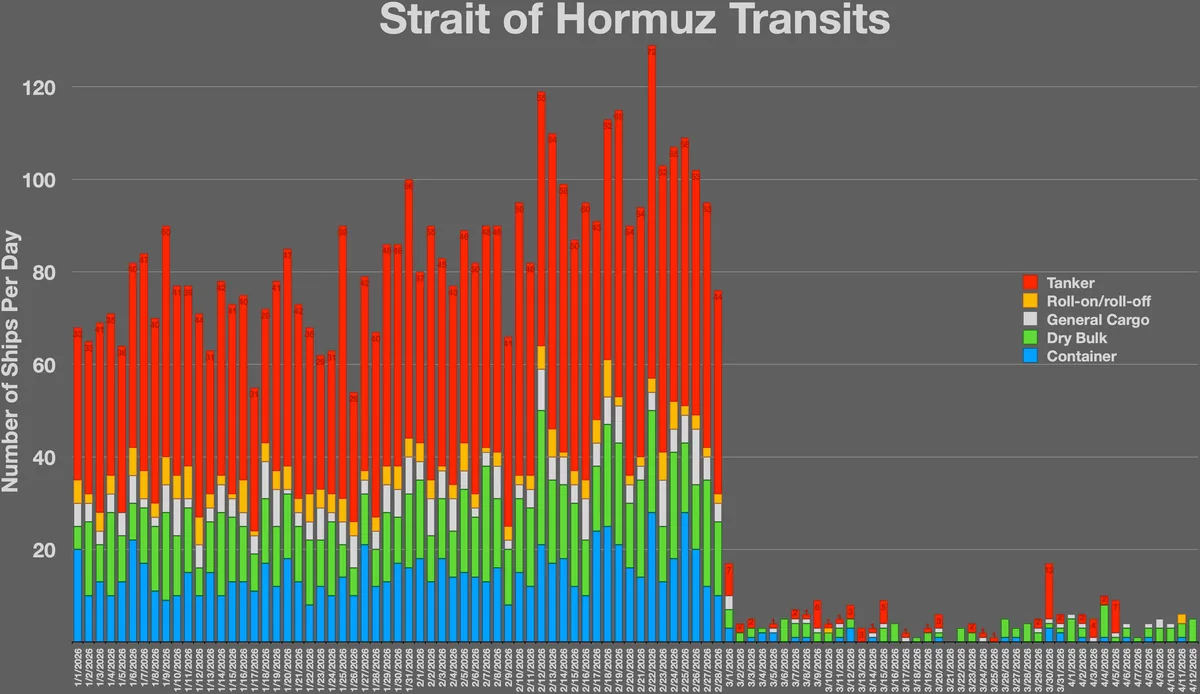
Editor’s note: Safavi quotes follow CNA, Straits Times, Times of India, and Tehran Times accounts dated Sep 24, 2026. This is escalatory rhetoric from an adviser, not confirmation of a new naval campaign. Oil price context pairs with Reuters morning markets coverage (Brent back above $100).
Iran sharpened its deterrence messaging Thursday as Major General Yahya Rahim Safavi, a senior adviser to Supreme Leader Ayatollah Ali Khamenei, warned that another U.S. or Israeli attack could push the conflict beyond the Persian Gulf into the Indian Ocean.
What he said: According to multiple regional outlets citing Safavi, fighting that now preoccupies the Gulf, the Strait of Hormuz, the Red Sea, and Bab al-Mandeb could expand “to the Indian Ocean and beyond” if Washington or Israel strikes Iran again. He also said Iran is monitoring U.S. forces and is prepared for a costly response. The remarks do not, in the accounts reviewed, specify targets, timelines, or a formal operational directive.
Context: The warning lands during UNGA week after President Trump’s public “deal or annihilation” framing toward Tehran and while Qatar-mediated U.S.–Iran contacts have resumed without a Hormuz breakthrough. Oil markets are already pricing prolonged Middle East risk: Reuters described Brent moving back above $100 a barrel as investors doubted a quick resolution.
Why it matters: Even rhetorical expansion of the battlespace to the Indian Ocean raises insurance, routing, and naval-deployment questions for Asia–Europe trade that already diverts around Red Sea threats. Hormuz remains the tighter chokepoint for crude; Indian Ocean talk signals Iran wants adversaries to price a wider maritime problem set.
Who is affected: Gulf producers and Asian refiners; shippers and insurers; U.S. and partner navies; and households facing pass-through from diesel and jet-fuel spikes if risk premia stick.
Uncertainty: Adviser speeches are not the same as IRGC operational orders. State media amplifies deterrence; Western officials often discount maximalist threats until forces move. Competing views hold that Iran is bargaining for sanctions relief and blockade ends, not preparing an ocean-spanning campaign. US Brief cannot verify force posture changes from open sources alone.
What to watch: any NOTAMs or shipping advisories; confirmed attacks on commercial vessels beyond current theaters; U.S./Israeli military statements; and whether New York or regional talks reference navigation guarantees.
Navigation risk is cumulative. Insurers and charterers already reprice Red Sea and Gulf voyages; an Indian Ocean threat narrative, even if unexecuted, can widen war-risk premiums for Asia–Europe containers and bulkers that thought they had outrun Middle East exposure by swinging south.
Safavi’s portfolio as a longtime Revolutionary Guard figure and supreme-leader adviser means foreign desks treat his warnings as regime-adjacent messaging rather than freelancing. Still, without corroborating fleet movements or mine-laying reports, the correct journalistic posture is high attention, low certainty.
US Brief’s takeaway: Treat Safavi’s Indian Ocean line as escalatory signaling layered on an already fragile energy-security story—not as proof of an imminent new front. Pair it with Hormuz facts and oil prices, and wait for operational corroboration.
Method note: US Brief digests are AI-assisted from the US Brief desk. We attribute rhetoric to named officials and outlets; we do not convert threats into confirmed military movements without evidence.
Reader note: this detail page is paired one-to-one with briefing bullet “world-iran-safavi”. The subject-brief thumbnail and More link both route here. Return via the back link to /brief/world for the rest of today’s items, or email contact@us-brief.com with corrections.
Full interactive version requires JavaScript. https://us-brief.com/article/world-iran-safavi