US News briefing
ICE mistakenly detains injured U.S. citizen in Evanston, police say
Evanston police say federal immigration agents mistook a local U.S. citizen for a fugitive during a Sep 20 encounter, leaving him with head, neck, and dental injuries before releasing him. DHS says the man refused early commands to identify himself; bystander video and witnesses describe him yelling that he is a citizen. Local police are investigating.
By US Brief desk · Updated 2026-09-24T05:35:00-07:00
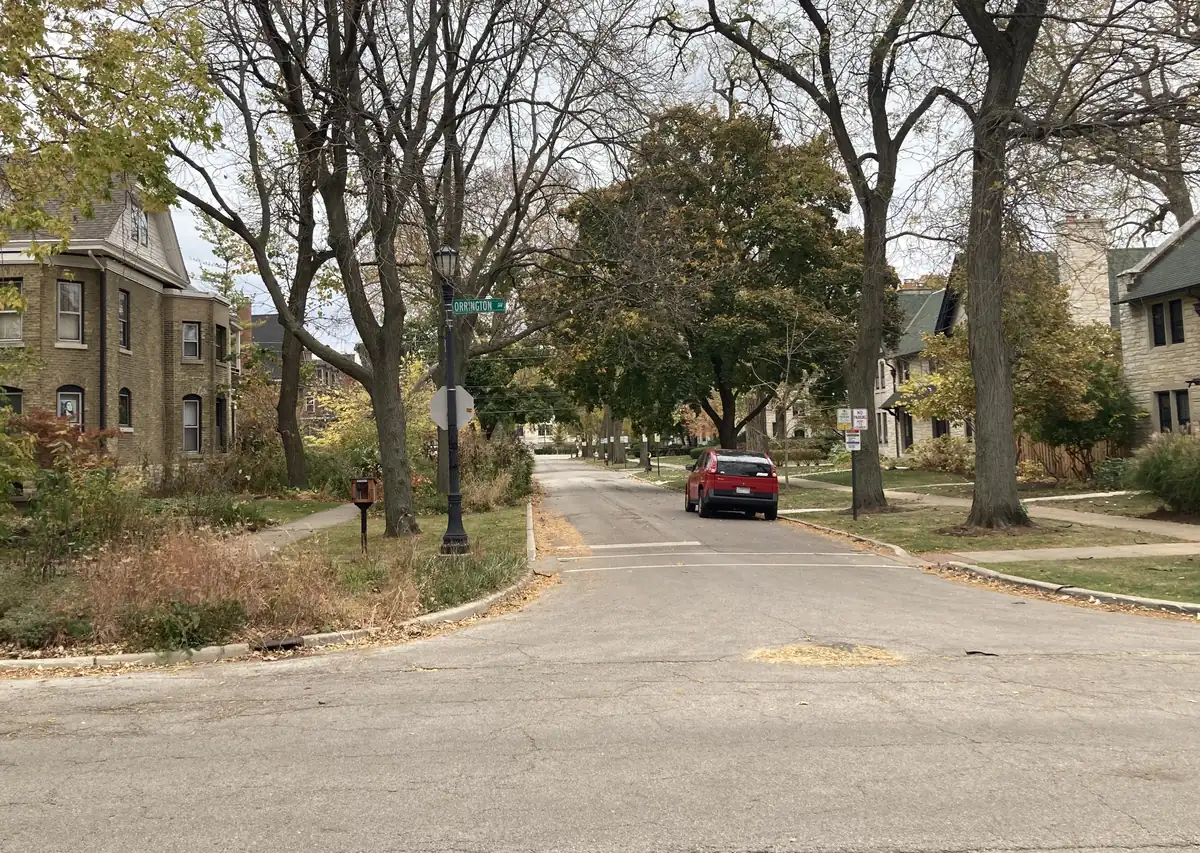
Editor’s note: Facts follow the Evanston Police Department release, AP/ABC reporting dated Sep 23, CNN’s Sep 24 explainer, and DHS’s statement as quoted in those accounts. The man’s name has not been publicly released. Injury severity is based on hospital treatment for injuries described as minor by the mayor, alongside witness accounts of visible trauma.
A U.S. citizen was left bloodied after a Sunday morning encounter with federal immigration agents in Evanston, Illinois, who later told local police they had mistaken him for a fugitive, according to the Evanston Police Department and contemporaneous reporting that continued into Thursday.
What happened: Just before 10 a.m. on Sep 20 near Howard Street and Dodge Avenue, five agents in separate vehicles were searching for a Chicago-area fugitive with an arrest warrant, an agent told responding Evanston officers. They stopped a man who resembled their target. When he refused to provide identification, agents tried to handcuff him; after confirming he was a U.S. citizen and not the fugitive, they released him and left the scene, citing fear of protesters, the police release said.
The man was taken by ambulance and treated at St. Francis Hospital. He told police his head, neck, and teeth were injured. Mayor Daniel Biss said the injuries were minor; police photographed them at the hospital and say they are investigating. One officer also reported seeing blood on an agent’s hands; the agent said he was hurt while trying to make the handcuffing.
Context: The episode lands amid heightened scrutiny of Immigration and Customs Enforcement tactics and a broader stretch of violent or disputed street encounters. The same day, separate reporting covered an ICE-involved shooting in Austin, Texas—distinct from Evanston, but part of the same national debate over use of force and misidentification risk.
Competing accounts: The Department of Homeland Security said officers “encountered an individual who resembled the target” of a targeted operation, that he was “not cooperative and refused to identify himself,” and that agents left “without further incident” after he identified himself—adding that he refused offered assistance. Bystander Ryan Garton told the AP he saw an agent with a knee on the man’s back and heard the man scream that he is a citizen; store owner Michael Lipson described agents wrestling the man down as he repeatedly asserted citizenship. US Brief cannot independently verify the video contents beyond what outlets have quoted.
Why it matters: Mistaken identity plus force against a citizen is a due-process and accountability flashpoint even when ICE’s target is a fugitive with a warrant. Local officials, including Rep. Jan Schakowsky, condemned the reports; Evanston police retention of the case keeps a municipal record alongside federal statements.
Who is affected: The unnamed Evanston resident; federal agents whose actions are under local investigation; nearby residents who witnessed the stop; and, politically, Illinois officials already critical of intensified interior enforcement.
Uncertainty: Agents’ body-worn or vehicle video, if any, has not been publicly released in the sources reviewed. Criminal charges, if any, have not been announced. DHS’s “refused commands” narrative and witnesses’ force narrative are both still claims under investigation, not adjudicated findings.
What to watch: Evanston PD findings; any federal use-of-force review; release of video; and whether the man’s attorneys file a civil claim.
Civil-rights lawyers and immigrant-advocacy groups are already folding Evanston into a larger pattern argument about interior enforcement mistakes; federal officials counter that fugitive warrants justify proactive stops and that noncompliance drives force. Both frames will be tested against whatever video and medical records investigators release.
US Brief’s takeaway: Local police and multiple witnesses describe a mistaken-identity detention that injured a U.S. citizen; DHS emphasizes noncompliance before identification. Until video and investigative findings land, treat both frames as contested reporting—not settled fact.
Method note: US Brief digests are AI-assisted from the US Brief desk. We synthesize reputable reporting and official releases; we do not invent identities, quotes, or medical diagnoses. Contested force claims are attributed to named sources.
Reader note: this detail page is paired one-to-one with briefing bullet “us-ice-evanston-citizen”. The subject-brief thumbnail and More link both route here. Return via the back link to /brief/us-news for the rest of today’s items, or email contact@us-brief.com with corrections.
Full interactive version requires JavaScript. https://us-brief.com/article/us-ice-evanston-citizen