
DOJ charges 28 California green-card holders with voting crimes
Federal prosecutors charged 28 lawful permanent residents in California with crimes including falsely claiming citizenship to register to vote, and arrested 11 on Monday. DOJ says all 28 are on its list of 20,000 suspected noncitizen registrants; California says the list has never been explained.
AI-assisted · US Brief desk · Sources listed below
What happened
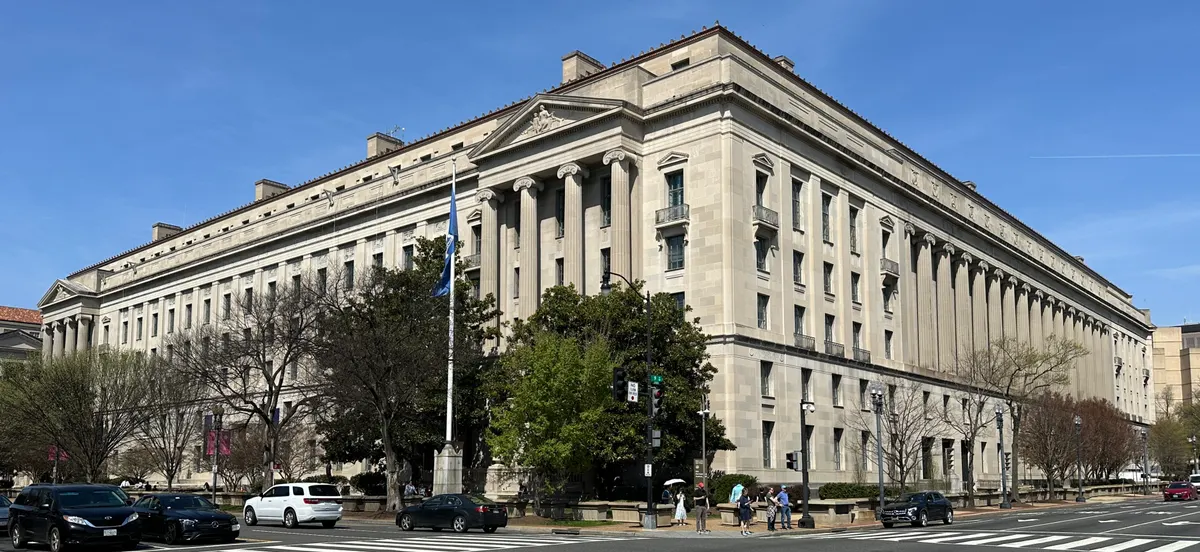
Federal agents arrested 11 people across California on Monday, and prosecutors filed charges against 28 in all, the Justice Department said. All 28 are lawful permanent residents, or green-card holders, who are not allowed to vote in U.S. elections. Prosecutors allege they falsely claimed citizenship to register, and that many then voted. Charges include false statements on naturalization applications and fraudulent registration, felonies carrying up to five years, and, in the Eastern District, voting by a noncitizen, a misdemeanor carrying up to one year.
Why it matters
The charges escalate a fight over a federal list of more than 20,000 California registrants that DOJ says are likely noncitizens. DOJ has sued California and Los Angeles County to make them set those mail ballots aside, and it filed an emergency motion Monday seeking a court order, the Bee reported. Election Day is Nov. 3.
More context
Where the cases are: Thirteen defendants are in the Central District, which includes Los Angeles; six in the Eastern District, including Sacramento and Fresno County; five in the Northern District; and four in the Southern District, which includes San Diego, the Sacramento Bee reported. DOJ calls the effort "Operation Protect the Vote." The alleged registrations date back as far as 2002, and one alleged vote came in the June 2026 primary.
Primary document: "Each of the 28 defendants charged today appears on the list of more than 20,000 likely noncitizen registrants we provided to California election officials last week. California refused to look at that list," Acting Deputy Attorney General Trent McCotter said in the DOJ release. The release also says: "A complaint, indictment, and information merely contain accusations. All defendants are presumed innocent until proven guilty."
California's response: Secretary of State Shirley Weber (D) said last week that DOJ gave her office 48 hours to act on a list it had not sent her, and that Los Angeles County received it on a thumb drive with the password on a sticky note. She said DOJ refused her requests for its methodology and data sources. Beau Tremitiere, a lawyer for voting-rights groups and San Francisco and Santa Clara, said DOJ was using "the same flawed target lists" to "intimidate people two weeks before election day."
In court: At a hearing in Oakland on Monday, U.S. District Judge Araceli Martínez-Olguín signaled she was unlikely to block federal investigators under the Administrative Procedure Act but took the plaintiffs' Voting Rights Act claims under submission, Courthouse News reported. A DOJ lawyer argued any intimidation would be at most "ancillary."
Weak spot (California officials): Weber called the federal claims unsubstantiated and declined to review the list. The new complaints allege specific false citizenship claims, under oath, by 28 people on that list.
Weak spot (DOJ): Twenty-eight cases are about 0.14% of the 20,000 names. The charges do not show how accurate the rest of the list is, and DOJ still has not publicly explained how it was built.
What's still unknown: How many people on the list are actually noncitizens, how many were mailed ballots this year, and whether a court will order those ballots set aside before counting.
6 listed sources
- U.S. Department of Justice, Oct. 19, 2026 (primary document)
- Sacramento Bee, Oct. 19, 2026
- Courthouse News Service, Oct. 19, 2026
- California Secretary of State, Oct. 14, 2026 (primary document)
- AP, Oct. 19, 2026
- NPR, Oct. 19, 2026
References listed by US Brief; a source count is not a verification score.
Editorial sourcing notes
Charges are allegations; defendants are presumed innocent. US Brief does not name individual defendants. Sourcing mixes the DOJ release and California's statement (both primary, each one side's view) with Sacramento Bee, Courthouse News, AP and NPR reporting.
Like US Brief? You can support it with a tip.