
Pentagon lends DHS a 'heat ray' weapon to test for border use
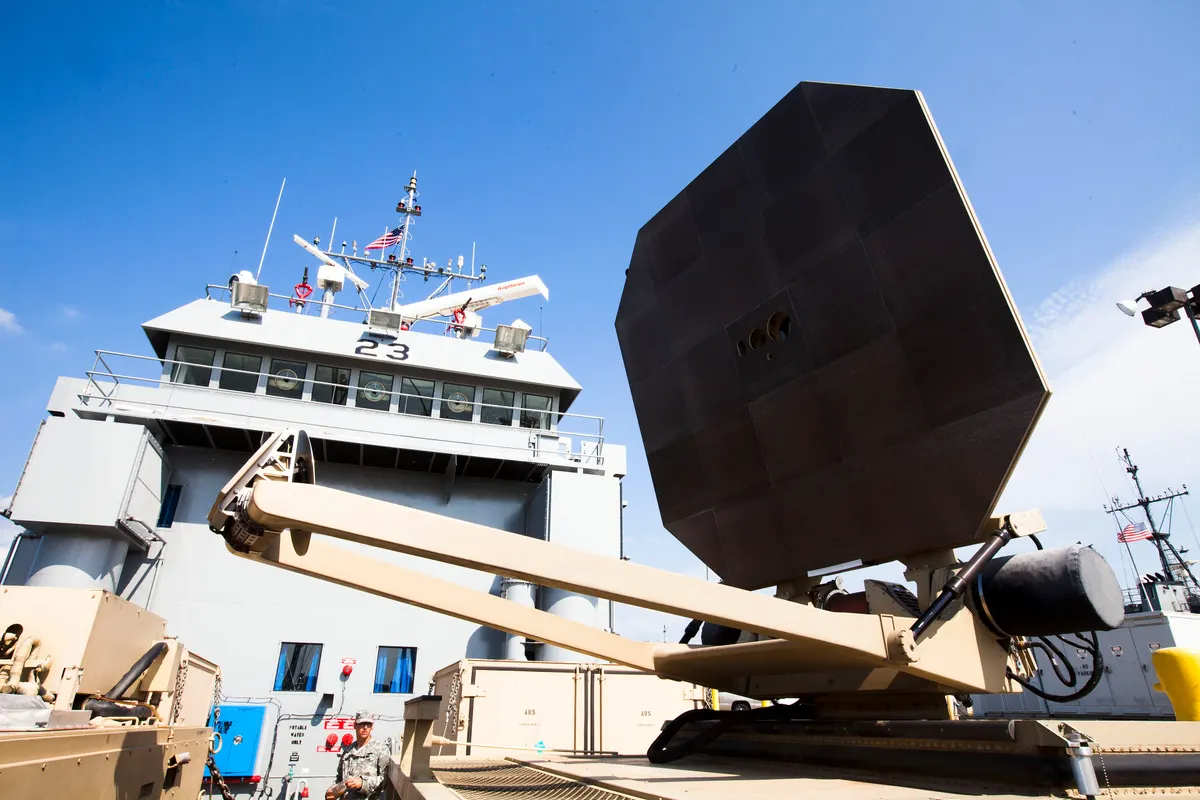
Defense Secretary Pete Hegseth signed a memo last month lending Homeland Security one Active Denial System, a nonlethal beam that causes a burning feeling on the skin, for seven months, CNN reported. Pentagon staff may not operate it, and the memo does not say where it will be tested.
AI-assisted · US Brief desk · Sources listed below
What happened
Defense Secretary Pete Hegseth signed a memo last month approving a "temporary loan" of one Active Denial System to the Department of Homeland Security for seven months, starting in September, CNN reported after obtaining the memo. The memo says the system "shall not be operated by DoW (Department of War) personnel" and makes DHS solely responsible for how it is used and for writing the tactics. DHS can ask to keep it longer, a defense official told CNN.
Why it matters
CNN called use at the border an unprecedented step. Federal law lets the defense secretary lend equipment to civilian law enforcement, and the ban on military operators follows rules that keep troops out of domestic policing, Military.com noted. DHS rules require officers to use only "objectively reasonable" force. Officials have also raised concerns about a beam that could reach people still in Mexico.
More context
How it works: The system fires an invisible beam of 95 GHz millimeter-wave energy with a range of a little more than half a mile, according to the military. Pentagon officials have compared the feeling to opening a hot oven. Military officials say the effect lasts 10 to 15 minutes and creates "an irresistible urge" to move away. In 2007 testing, an airman at Moody Air Force Base in Georgia suffered second-degree burns, Military.com reported. The military sent the system to Afghanistan but brought it home in 2010 without using it in combat.
What each side says: "CBP is continually evaluating new technology, especially technology that can save lives while simultaneously enhancing national security effectiveness," a Customs and Border Protection spokesperson told Military.com. The Pentagon referred questions to DHS. Critics inside past administrations pushed back. Then-DHS Secretary Kirstjen Nielsen rejected using it on migrants in 2018, CNN reported. "The issue was treating immigrants and citizens like enemy combatants," a former DHS official told the network.
Timeline: 2007: an airman is burned in testing. 2010: the system returns from Afghanistan unused. 2018: Nielsen rejects using it on migrants. Several years ago: Border Patrol's El Centro sector, then led by current CBP Commissioner Rodney Scott, evaluates it. September 2026: Hegseth signs the loan. Oct. 8: Jim Acosta first reports the memo. Oct. 21: CNN publishes the memo's details.
What's still unknown: The memo does not say where or how the system will be tested, who would fire it or under what rules. A former CBP official warned of drowning risks if people are pushed back toward a river: "Is the juice worth the squeeze?" Another former official told CNN some agents doubt they need it, with crossings low and staffing up.
5 listed sources
- CNN (left-leaning), Oct. 21, 2026
- Military.com, Oct. 21, 2026
- Stars and Stripes, Oct. 21, 2026
- Axios, Oct. 21, 2026
- Jim Acosta (independent), Oct. 8, 2026
References listed by US Brief; a source count is not a verification score.
Editorial sourcing notes
The memo itself has not been released; its contents come from CNN, which obtained it, and from Military.com. The hero photo shows a 2013 maritime demonstration of the system at Joint Base Langley-Eustis, Va., not the unit lent to DHS.
Like US Brief? You can support it with a tip.