
What happens after Election Day: canvasses, certification and recounts
Election-night totals are unofficial. Nine closely watched states have different canvass, certification and recount rules that determine when a result becomes final—and what a court challenge can actually change.
AI-assisted · US Brief desk · Sources listed below
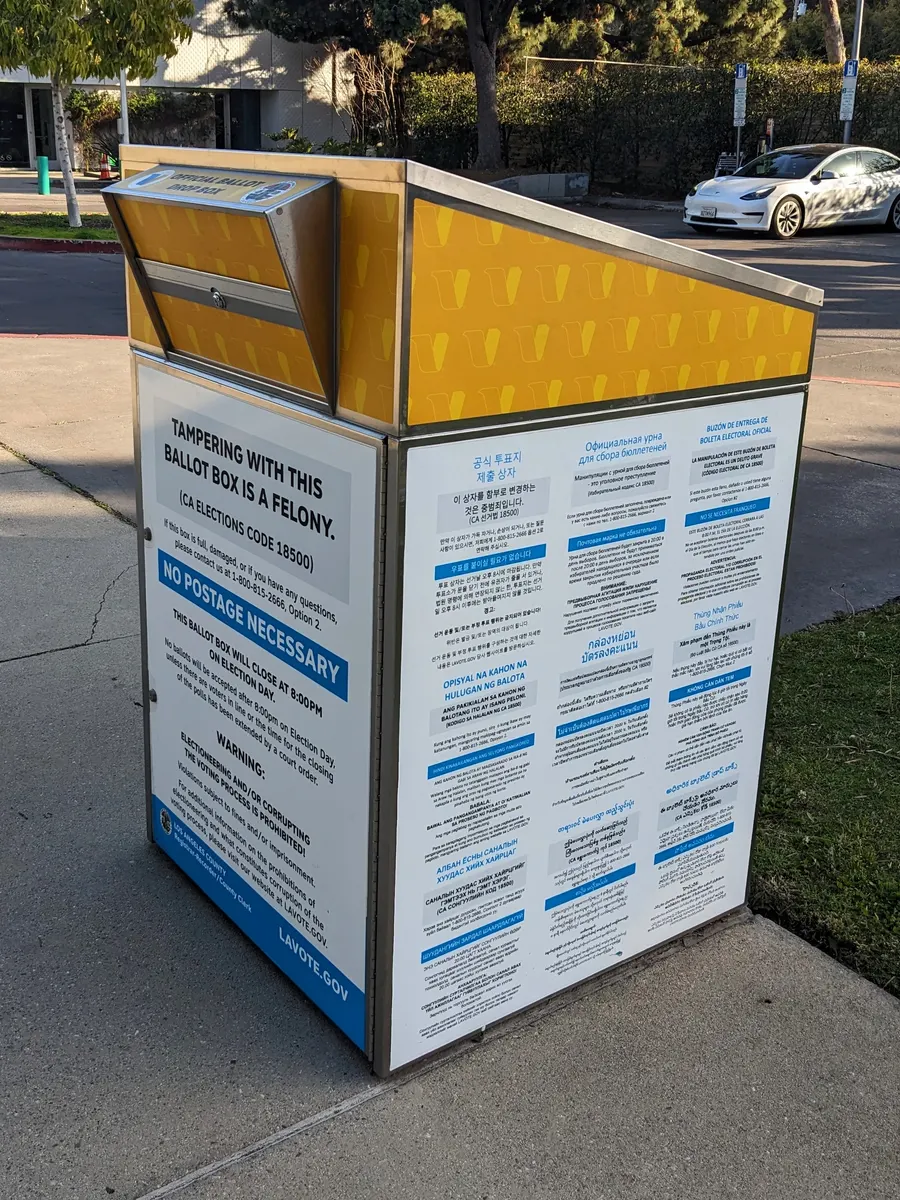
What happened
After polls close Nov. 3, officials reconcile poll books, mail and provisional ballots, cures and tabulator records, then audit and canvass the returns. Canvassing checks the evidence; certification formally attests to the final totals. A news projection does neither.
Michigan — The bipartisan Board of State Canvassers certifies statewide and certain multi-county contests by Nov. 23. An automatic statewide recount is required when the top two candidates are separated by 2,000 votes or fewer. Official: https://www.michigan.gov/sos/elections/security
Georgia — Counties certify Nov. 9 and the secretary of state certifies state and federal results by Nov. 20. Federal races have no automatic percentage trigger; a losing candidate may request a recount at 0.5% or less. A 2026 law added an automatic 0.5% recount for listed state executive contests, not congressional races. Official: https://sos.ga.gov/sites/default/files/forms/2026%20Calendar.pdf
Why it matters
A close race can remain uncalled without anything being wrong. Each state has its own certification clock, and a recount can extend it. The rules below show which body acts and what margin triggers an automatic recount.
More context
North Carolina — Counties certify Nov. 13; the State Board canvasses statewide and multi-county contests Nov. 24. There is no automatic recount based only on margin. A trailing candidate may demand one if a statewide margin is 0.5% or 10,000 votes, whichever is fewer; the threshold for a nonstatewide contest is 1%. Official: https://www.ncsbe.gov/news/press-releases/2026/10/27/reporters-primer-2026-general-election-nc
Texas — Local canvasses run Nov. 6–17. The governor conducts the final canvass for federal, district and most statewide races at a time set by the secretary of state, between Nov. 21 and Dec. 7. Texas automatically recounts a tie; other recounts require a timely request under state law. Official: https://www.sos.state.tx.us/elections/laws/advisory2026-28.shtml
Maine — Municipal clerks send returns to the secretary of state, whose certification deadline is Nov. 23. A tie is the automatic trigger. A losing candidate may request a recount within five business days; the no-deposit threshold for statewide or multi-county races is 1% or 1,000 votes, whichever is less. Official: https://www3.maine.gov/sos/news/general-election-two-months-away-secretary-states-office-provides-update-maine-election-1
New York — County boards certify by Nov. 28; the State Board of Canvassers must meet by Dec. 15. A full manual recount is automatic at 20 votes or fewer, 0.5% or less, or—if at least 1 million ballots were cast—under 5,000 votes. Official: https://elections.ny.gov/system/files/documents/2025/12/2026-political-calendar-quad-fold-12.9.2025-final.pdf
Alaska — The bipartisan State Review Board reviews returns, and the Division of Elections targets Nov. 25 for certification. A tie triggers an automatic recount. Otherwise a candidate or 10 voters may apply after certification; the state pays when the margin is under 20 votes or under 0.5%. Official: https://www.elections.alaska.gov/calendar/
Pennsylvania — Counties must certify returns to the secretary of the Commonwealth by Nov. 23. A statewide contest automatically goes to recount at 0.5% or less; the calendar sets Nov. 24 to finish and Nov. 25 to report an ordered recount. Official: https://www.pa.gov/content/dam/copapwp-pagov/en/dos/programs/voting-and-elections/running-for-office/2026/2026-general-election-calendar.pdf
Arizona — Counties canvass by Nov. 19; the official statewide canvass is Nov. 23. The secretary of state conducts it publicly with the governor and attorney general present. A recount is automatic when the top-two margin is 0.5% or less. Official: https://azsos.gov/elections/election-information/2026-election-info
What a court challenge can change: A court applying the governing law can order a recount, direct officials to count or reject a category of ballots, correct a canvass or pause certification while a timely contest is decided. The remedy depends on the claim, evidence, deadline and statute. Filing a lawsuit alone does not erase votes or make a media projection official.
What a court challenge cannot change: States cannot add qualifications for Congress beyond the Constitution's age, citizenship and residency rules. The Supreme Court confirmed that limit in U.S. Term Limits v. Thornton. Each chamber of Congress retains the power to judge its members' elections, returns and qualifications.
What would change the story: A court order, amended canvass, missed statutory deadline or recount-triggering margin could move certification. Routine late counting, a changing unofficial margin or an unsupported campaign accusation would not do so by itself. US Brief will use election offices and court dockets for updates.
18 listed sources
- U.S. Election Assistance Commission, election results, canvass and certification:
- Michigan Secretary of State, election security and recounts:
- Michigan Secretary of State, Board of State Canvassers:
- Georgia Secretary of State, 2026 election calendar:
- Georgia General Assembly, 2026 special-session recount amendment:
- North Carolina State Board of Elections, 2026 general-election primer:
- Texas Secretary of State, Nov. 3 canvass and recount deadlines:
- Maine Secretary of State, 2026 election processes:
- Maine Legislature, Title 21-A §737-A:
- New York State Board of Elections, 2026 political calendar:
- New York State Board of Elections, 2024 election-law update on manual recounts:
- Alaska Division of Elections, 2026 calendar:
- Pennsylvania Department of State, 2026 general-election calendar:
- Pennsylvania Department of State, election results and recount FAQ:
- Arizona Secretary of State, 2026 election information:
- Arizona Secretary of State, post-election procedures:
- U.S. Supreme Court, U.S. Term Limits v. Thornton:
- U.S. Senate, types of election cases:
References listed by US Brief; a source count is not a verification score.
Editorial sourcing notes
Procedural service draft; no race forecast. State certification and recount rules vary by contest, so the text distinguishes automatic triggers from candidate-request thresholds. Robert must approve before publication.
Like US Brief? You can support it with a tip.