
TSMC, Samsung pause some China chip shipments as US rule starts
TSMC and Samsung have paused shipments of some processors to Chinese customers, including smartphone chips for Xiaomi, Oppo and Vivo, while they seek U.S. export licenses under a Commerce Department rule that took effect Thursday, the Financial Times reported. The report has not been confirmed by the companies.
AI-assisted · US Brief desk · Sources listed below
What happened
Taiwan Semiconductor Manufacturing Co. and Samsung Electronics have told Chinese customers over the past few days that certain processors will not ship while their export license applications are pending with the U.S. Commerce Department, the Financial Times reported Thursday. Samsung's customers in China include ByteDance and Kunlun, Baidu's AI chip unit, according to Stock Analysis's summary of the report. TSMC makes smartphone chips for the Chinese brands Xiaomi, Oppo and Vivo. The FT said licenses for those phone chips are likely to be granted, but the wait could hold up production for a significant time.
Why it matters
The pause reaches beyond data-center AI chips into consumer phones made by some of China's biggest brands. It adds to shortages Chinese tech companies already face, Stock Analysis noted: Nvidia said Tuesday it no longer ships its U.S.-licensed data center chips to China, memory prices have jumped, and domestic chipmakers such as SMIC are short of capacity. When the rule was announced Monday, CLSA analyst Sanjeev Rana told Reuters that "Samsung Foundry therefore might potentially face additional customer due diligence and licensing requirement."
More context
Why phone chips are caught: The new rule took effect Thursday, the day it was published in the Federal Register. Stock Analysis said it requires chip foundries and packagers to treat any advanced chip designed by a company in China as a controlled AI chip unless the designer is on a U.S.-approved list, and it removes exemptions that let chipmakers show a chip was built for other uses, such as smartphones. Until now, Chinese designers could route orders through outside packaging and testing firms that checked a chip against U.S. controls and shipped it without a license.
From the rule: The Commerce Department's summary says the rule "amends the presumptions which front-end chips fabricators and chip packagers face when exporting advanced-node logic chips," and that the changes "reduce the number of pathways to overcome the presumptions for chip designers" in countries that need a license. The same rule requires licenses before advanced chips go to overseas data centers that rent large amounts of computing power to companies based in China and other restricted countries. It uses the term "Super Intelligence" (SI) in place of "artificial intelligence," citing a Trump executive order. US Brief covered that part of the rule when Commerce announced it Monday.
Key numbers: Customers based in China brought in about 5% of TSMC's revenue in the third quarter, down from about 8% a year earlier, according to the company's quarterly report as cited by Stock Analysis. Shipments already in transit on Thursday may go ahead under the old terms until Dec. 21, Stock Analysis said. TSMC's U.S.-listed shares were up 0.7% in premarket trading early Thursday.
What's still unknown: How long Commerce will take to review license applications, how many will be approved, and whether Beijing will respond. Neither company's own account of the pause was available in the reports US Brief reviewed. Public comments on the rule are due 60 days after its publication, according to the Federal Register notice.
5 listed sources
- Stock Analysis (Kris Gunnars), TSMC and Samsung suspend some chip shipments to Chinese customers as a new U.S. rule takes effect, Nov. 19, 2026
- Reuters via TradingView, TSMC and Samsung suspend some chip shipments to Chinese customers - FT, Nov. 19, 2026
- Financial Times, TSMC and Samsung suspend some chip shipments to Chinese customers, Nov. 19, 2026 (paywalled; read via the summaries above)
- Federal Register / Bureau of Industry and Security, Addressing Remote Access to Advanced Semiconductors (interim final rule), Nov. 19, 2026
- Reuters via Investing.com, Samsung Elec, TSMC shares fall after US announces curbs on China's chip access, Nov. 17, 2026
References listed by US Brief; a source count is not a verification score.
Editorial sourcing notes
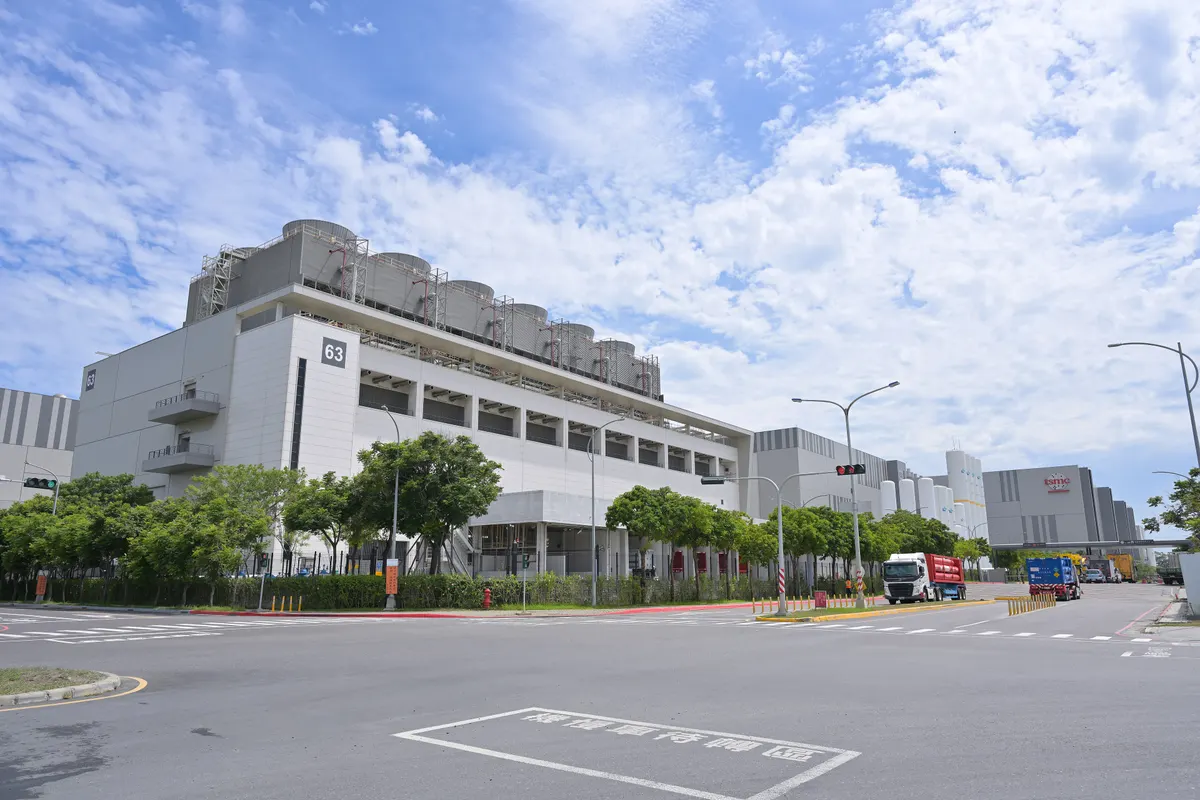
The shipment pause rests on the Financial Times' reporting, as summarized by Stock Analysis and Reuters. US Brief did not find public statements from TSMC or Samsung confirming it. The hero photo shows TSMC's Fab 18 in Taiwan's Southern Taiwan Science Park (file photo, 2025).
Like US Brief? You can support it with a tip.