
Judge keeps NAACP pollution suit over Musk's xAI turbines alive
A federal judge in Mississippi refused to throw out the NAACP's Clean Air Act lawsuit over the gas turbines that power xAI's Colossus data centers, rejecting xAI's argument that citizen suits like this one are unconstitutional.
AI-assisted · US Brief desk · Sources listed below
What happened
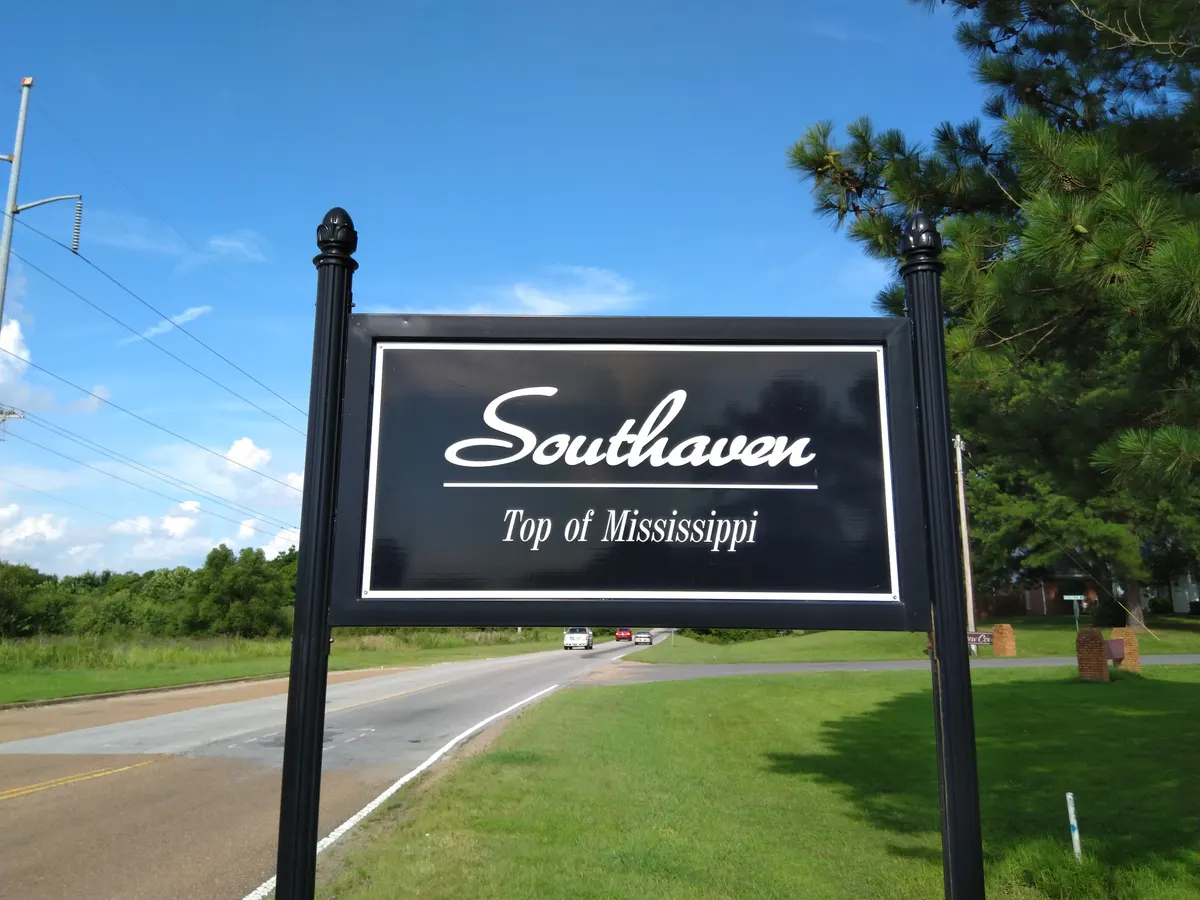
A federal judge has refused to dismiss the NAACP's Clean Air Act lawsuit against Elon Musk's xAI over the natural-gas turbines it runs in Southaven, Mississippi, to power its Colossus AI data centers across the state line in Memphis. U.S. District Judge Debra M. Brown of the Northern District of Mississippi denied xAI's motion to dismiss in an opinion made public late Friday, Oct. 30, so the case now moves forward.
The NAACP and its Mississippi State Conference sued X.AI Corp. and an affiliate, MZX Tech LLC, in April, represented by the Southern Environmental Law Center and Earthjustice. The suit says xAI ran dozens of turbines without the air permits the law requires; CNBC, citing the complaint, reports 27 turbines operated at the Southaven site between August and December 2025. The groups want a court order requiring permits and modern pollution controls, plus civil penalties that can reach $124,426 per day for each violation. xAI is now owned by SpaceX.
xAI made three main arguments, and the judge rejected all of them. She found the NAACP has the legal right to sue under the Clean Air Act. She found the turbines are not "mobile sources" exempt from permits under Mississippi's air plan. And she found the law's citizen-suit provision does not unconstitutionally hand the president's enforcement power to private groups. "Because citizen suit plaintiffs sue on their own behalf, in their own name, and seek penalties that redress harm to themselves, they are not exercising the federal government's executive power," Brown wrote, according to TechCrunch.
Why it matters
AI companies are racing to build power for data centers faster than grid hookups and permits allow, and on-site gas turbines are one shortcut. If this case goes to trial and the turbines are found to need permits, other AI builders relying on temporary on-site power could face the same kind of suit from neighbors, whatever regulators or the White House decide.
More context
The Trump administration has sided with xAI. In June the Justice Department moved to join the case and have it thrown out, calling the facility critical to the Department of War and to U.S. AI leadership and saying Mississippi had decided no permit was needed. "Ultimate responsibility for enforcing federal law belongs to the Executive Branch, not private interest groups," Associate Attorney General Stanley Woodward said then. On Oct. 19 Brown let the government join the case but refused its request to end it, writing that "nothing in the Clean Air Act allows the Administrator to unilaterally dismiss a citizen suit upon intervention."
The strongest case for xAI and the government: the state regulator, not an advocacy group, is supposed to decide whether a facility needs a permit, and Mississippi decided this one did not. Under that view, letting private groups seek daily penalties over a project the administration calls a national-security priority lets courts and activists override elected officials. The Justice Department's Adam Gustafson said the government "will not sit idly by while private organizations use environmental laws to undermine our national security."
The strongest case for the NAACP: Congress wrote citizen suits into the Clean Air Act so neighbors can enforce permit rules when regulators don't, and the turbines sit near homes in a largely Black community. Earthjustice says the turbines can emit more than 5,000 tons of smog-forming nitrogen oxides a year, plus fine particles and formaldehyde; those figures are the plaintiffs' estimates and have not been tested in court. "xAI cannot operate gas turbines without the required permits," said Abre' Conner of the NAACP.
Timeline: April 14, 2026, the NAACP files suit. June, the plaintiffs ask for a preliminary injunction, and xAI and the Justice Department move to dismiss. September, the Fifth Circuit refuses to pause the case while the government appeals. Oct. 19, the judge lets the government join but won't dismiss. Oct. 30, she denies xAI's own motion to dismiss.
What's still unknown: the judge has not ruled on the request for a preliminary injunction, which could limit how the turbines run while the case continues. It is not yet clear whether xAI or the Justice Department will appeal this ruling, or whether the case could settle if xAI obtains permits. Fights over data-center power are spreading; TechCrunch notes New York recently passed a data-center moratorium.
6 listed sources
References listed by US Brief; a source count is not a verification score.
Editorial sourcing notes
Based on reporting by TechCrunch and CNBC, statements from Earthjustice (which represents the NAACP) and the Justice Department, and the court's earlier Oct. 19 order. The pollution figures come from the plaintiffs and have not been tested in court. SpaceX, which now owns xAI, did not respond to requests for comment from CNBC or TechCrunch. No right-leaning outlet had covered the ruling when this was written, so the government's position is taken from the Justice Department's own filing announcement.
Like US Brief? You can support it with a tip.