Google rolls out Gemini 4 Hydrogen to free users and Search
Google on Thursday released Gemini 4 Hydrogen, a faster model that replaces Gemini 3.8 Flash in its lineup and is rolling out to the Gemini app, Google Search and developers worldwide. Google says it finishes tasks 2.5 times as fast as Flash; developers will pay $1.50 per million input tokens.
AI-assisted · US Brief desk · Sources listed below
What happened
Google released Gemini 4 Hydrogen on Thursday, a fast model for everyday tasks, coding and AI agents that work through several steps. It succeeds Gemini 3.8 Flash and sits below Google's larger Gemini 4 Carbon and Argon models. It is rolling out worldwide in the Gemini app, Google Search, AI Studio, the Gemini API and Gemini for business.
Why it matters
Search and the Gemini app reach far more people than any developer tool, so the switch changes the AI answers many users see by default. For businesses, the question is whether Hydrogen's extra accuracy saves enough retries to justify its higher price.
More context
Who gets it: Free Gemini app users get Hydrogen through automatic model selection when Google's system picks it for a prompt. Google says it is also upgrading Search for all users so it can handle long, multipart or typo-filled questions and show more visual answers with a wider range of links. Paid Google AI Pro and Ultra subscribers can use it in Google's Antigravity coding tool.
What Google claims: Google says Hydrogen finishes tasks 2.5 times as fast as Flash at its default setting. On Google's Terminal-Bench 4.1 test, it completed 57% of tasks versus 18.2% for Flash. Google also says it cuts made-up claims by more than five times. Independent tester Artificial Analysis scored it 51 on its Intelligence Index, up from 31 for Flash, VentureBeat reported.
What it costs: Developers pay $1.50 per million input tokens and $7.50 per million output tokens, flat across a context window of about 1 million tokens. VentureBeat noted that is twice Flash's introductory price through Dec. 31. It is also 15 times the lowest standard rates for small rival models from Anthropic, OpenAI and Meta.
The tradeoff in plain terms: Hydrogen has four thinking levels: low, medium, high (the default) and a new "xhigh." Higher levels take longer and cost more. VentureBeat found the top setting raised the estimated cost per test task from $1.87 to $3.16, with no gain on one coding test.
What would change the story: Independent tests of Search answers after the switch, and whether Google sets a shutdown date for Flash. Google's schedule lists none yet, VentureBeat reported.
5 listed sources
- Google (Koray Kavukcuoglu), Introducing Gemini 4 Hydrogen, Nov. 12, 2026
- VentureBeat (Carl Franzen), Google launches Gemini 4 Hydrogen — a faster, smarter, pricier Flash successor, Nov. 12, 2026
- The Verge, Google's new Gemini model is better at understanding complicated questions, Nov. 12, 2026
- TechCrunch, Google's latest Search upgrade promises better answers to your most complicated questions, Nov. 12, 2026
- 9to5Google, Google announces Gemini 4 Hydrogen, Nov. 12, 2026
References listed by US Brief; a source count is not a verification score.
Editorial sourcing notes
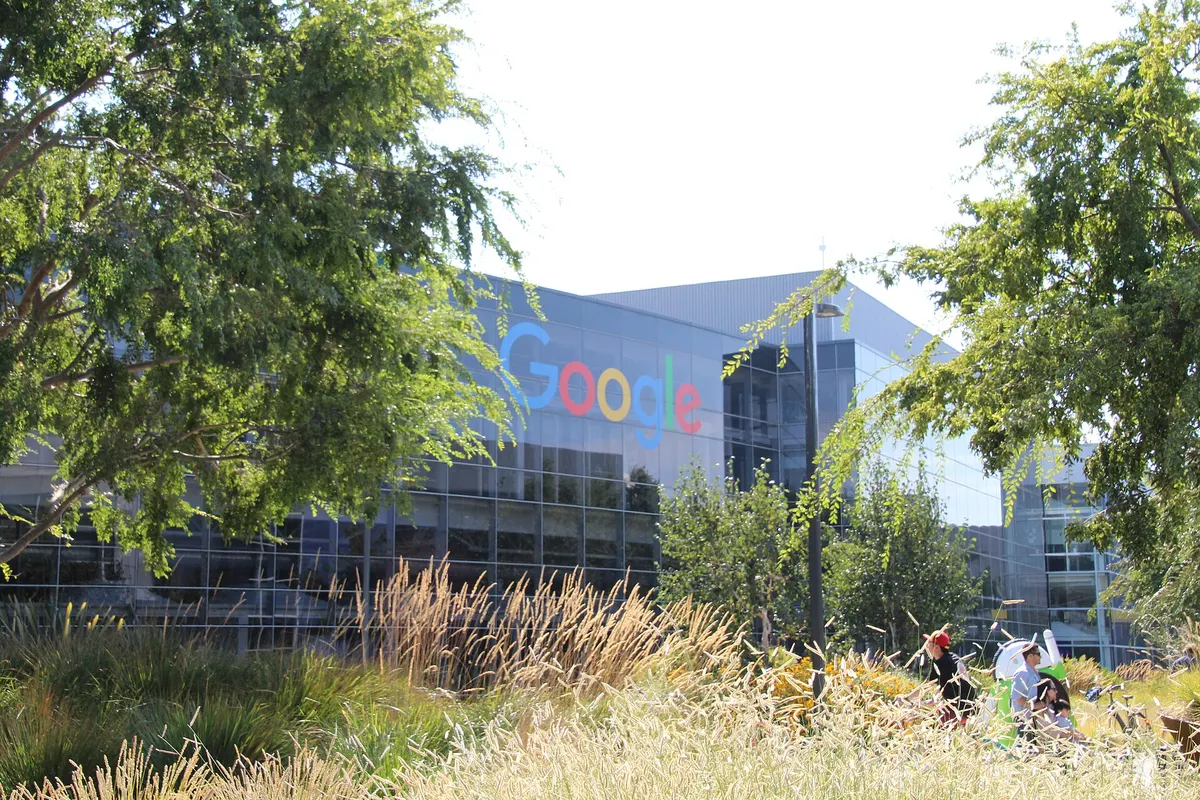
Speed, honesty and most benchmark figures are Google's own claims from its launch post. The Intelligence Index scores are from Artificial Analysis as reported by VentureBeat. The photo is a file image of Google's headquarters (2017).
Like US Brief? You can support it with a tip.