
Intelligence chief, Microsoft's Brad Smith warn more tech outages are coming
Director of National Intelligence Jay Clayton and Microsoft President Brad Smith warned Sunday that Americans should expect more tech outages as companies and the government rush to upgrade and patch systems. Smith said the risk could last for months. Neither gave a timeline or said which systems are most at risk.
AI-assisted · US Brief desk · Sources listed below
What happened
Two senior figures told Americans on Sunday to expect more technology outages. Director of National Intelligence Jay Clayton said on CNN's "State of the Union" that upgrades to government and company systems will bring "bumps in the road," CNBC reported. Microsoft President Brad Smith told CBS's "Face the Nation" that "we have to be prepared, frankly, for the coming months."
Why it matters
The warnings come days before Thanksgiving, one of the year's busiest travel weeks, after outages hit air traffic control, Microsoft's Outlook and online banking this month. Officials are now telling the public that more disruptions are a likely cost of securing systems, not a sign of attack.
More context
What Clayton said: "The American people should be prepared for a great deal of investment in upgrading our systems; they should be prepared for investment in cybersecurity, and they should be prepared that any time there is a step change in technology, a step change in both compute and applications, there will be bumps in the road," Clayton said. Officials have said recent outages had different causes and do not appear to be a coordinated cyberattack, CNBC reported.
Why Smith expects more: Smith said AI made it "much easier for people to find vulnerabilities in code" this year, setting off a race to patch flaws before attackers use them. Patching "at a pace we have never seen before," especially on older systems with less time to test, raises "the risk of something going wrong," he said, calling the outages "AI ripple effects." He said Microsoft's own outage was not caused by AI or an attack but by "a perfect storm" of an update from four months earlier, a new update and a shift in network traffic.
The banking angle: Treasury Secretary Scott Bessent told CBS that Americans should not worry about their banks. "The patches may cause a glitch," he said. "I think the American people should think of it as a vaccine; your arm may hurt, you may feel a little bad the next day, but it increases your long-term immunity and resiliency."
What you can do: Smith's advice for consumers was simple: "If you get an update on your phone or your laptop with a patch, apply it." He also called for companies to replace older systems and for closer threat sharing between the tech industry and the government.
What remains unknown: Neither Clayton nor Smith said how long the patching wave will last, which systems are most at risk or how many more outages to expect. Smith said Microsoft has taken nine corrective steps and plans 13 more.
3 listed sources
- CNBC (Garrett Downs), Director of National Intelligence Jay Clayton warns Americans of 'bumps in the road' after tech outages, Nov. 22, 2026
- CBS News, Transcript: Brad Smith, Microsoft president and vice chair, on "Face the Nation with Margaret Brennan," Nov. 22, 2026
- Newsweek (Hollie Silverman), Microsoft President Warns of More Tech Outages in Coming Months, Nov. 22, 2026
References listed by US Brief; a source count is not a verification score.
Editorial sourcing notes
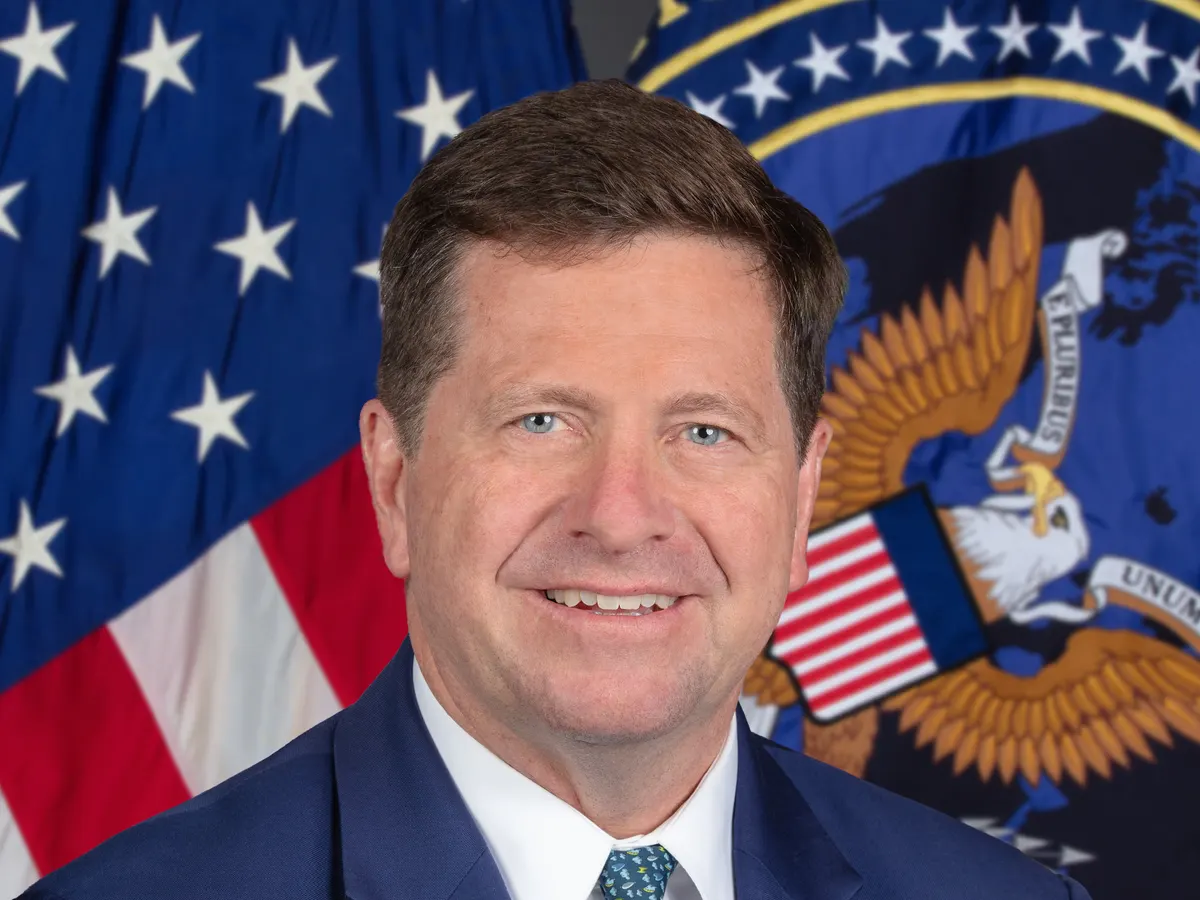
The hero photo is Jay Clayton's official portrait as director of national intelligence (2026). The photo of Brad Smith is a file photo from 2017.
Like US Brief? You can support it with a tip.