
Banks line up record $63 billion for Anthropic's Broadcom chips
Bank of America, Blackstone, Citi and Morgan Stanley will fund a $63 billion vehicle that buys Broadcom AI chips and leases them to Anthropic, the biggest AI infrastructure debt deal yet, with Broadcom guaranteeing part of the lenders' losses if the hardware loses value.
AI-assisted · US Brief desk · Sources listed below
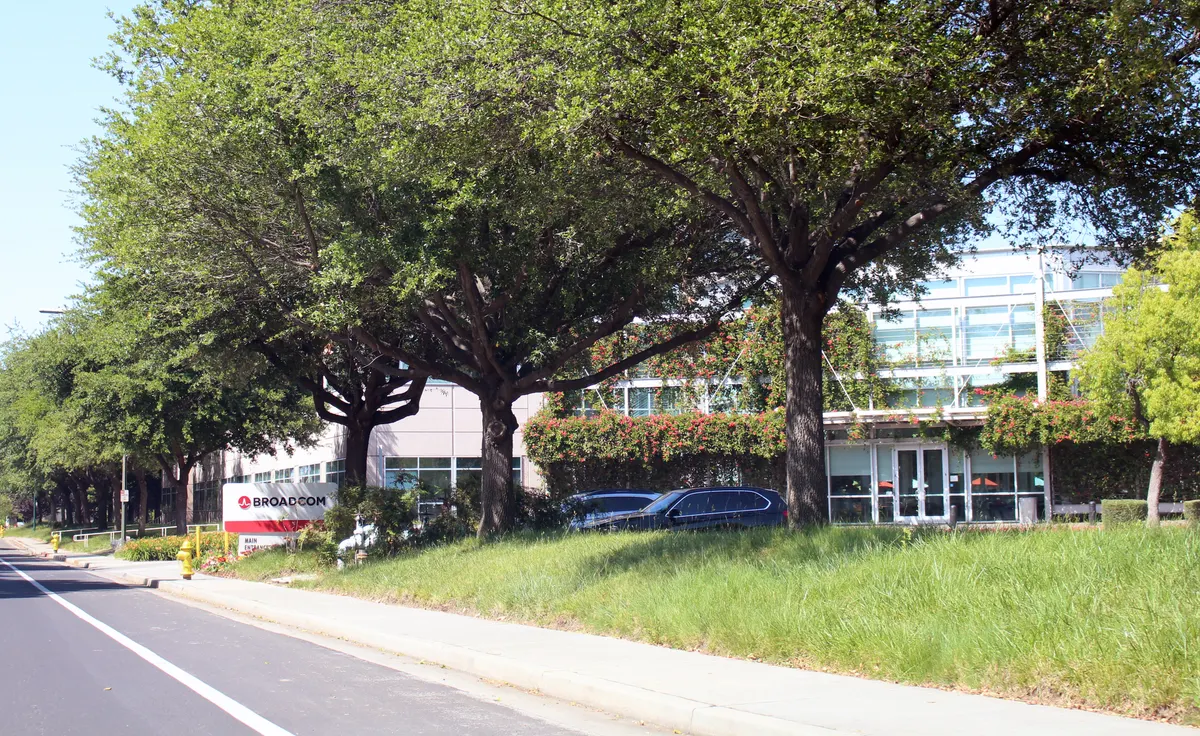
What happened
A newly formed company, called a special purpose vehicle, will borrow the money and use it to buy Broadcom's custom AI accelerators and networking gear, then lease that equipment to Anthropic, according to Monday's announcement. Bank of America, Citi and Morgan Stanley are arranging the senior, first-in-line loans, and Blackstone is the committed provider of the riskier second-lien debt. Deliveries are expected to start in 2027 under a compute agreement Broadcom announced earlier. The senior loans total about $43.5 billion, or 69% of the package, two people familiar with the matter told Reuters. The deal was announced the same day Anthropic publicly filed for its IPO.
Why it matters
Chipmakers are increasingly guaranteeing or funding the purchases that keep their own sales growing, which helps the AI buildout move faster but ties a supplier's balance sheet to one customer's ability to pay. Anthropic disclosed steep losses in its filing, Reuters noted, and its IPO will test how much risk investors will take on AI.
More context
Four Wall Street firms are putting up $63 billion so Anthropic, the maker of the Claude chatbot, can lease AI chips from Broadcom, a deal The Wall Street Journal called the biggest ever to raise money for AI infrastructure.
How it got done: Broadcom CEO Hock Tan spent nearly two months pressing banks to commit more than $40 billion, and stepped in over the weekend with last-minute talks after several banks considered pulling out, agreeing to higher interest rates and stronger protections, the Journal reported. Two weeks earlier, at an Oct. 12 conference, Tan had said, "What I think might be the biggest constraint is capital." In Monday's statement he said the deal "validates that there is capital available to finance such growth."
In Broadcom's own words (primary document): Broadcom is backing the lenders with what it calls residual value support. Its investor presentation says the "potential liability is any difference between 72.5% of the outstanding amounts owed on the lease and the value of the AI racks received," that "peak exposure [is] expected to be $43 billion and decline to zero" over five years of lease payments, and that the support "is not a direct cash outlay." In plain terms: if Anthropic stops paying and the used chips are worth less than that share of what's owed, Broadcom covers the gap.
The case for it: Broadcom says several layers of protection come before its guarantee, including Anthropic's contractual lease payments, the chance to re-lease the hardware, and the gear's value as collateral. Janus Henderson's John Lloyd told Bloomberg in August, discussing Broadcom's earlier backstop, that a trigger would require AI usage growth to "fall off a cliff, which we're just not seeing." Investors liked it: Broadcom led AI stocks higher Tuesday, AP reported, helping pull the S&P 500 within 1.3% of its record by midday.
The case for caution: Moody's called Broadcom one of the strongest large tech companies but warned the risk rises if several such deals pile up quickly to feed frontier AI labs, Reuters reported. S&P Global Ratings treats Broadcom's support as a "contingent debt-like obligation" in its debt math, Bloomberg reported in August. The pattern is growing: Apollo and Blackstone earlier agreed to finance a $35 billion Anthropic expansion with a Broadcom backstop of up to $29 billion, per Reuters, and Anthropic's IPO filing separately describes Broadcom lending it up to $42 billion.
What's still unknown: the interest rates and exact split of the loans, which were not disclosed; how the new deal fits with the $42 billion note facility in Anthropic's filing; and whether Broadcom will book any of the guarantee on its balance sheet. Broadcom did not respond to Reuters' request for comment. Alphabet and Microsoft report earnings Wednesday and Amazon Thursday, which investors are watching for signs the AI spending is paying off.
9 listed sources
- Broadcom / lender press release, Oct. 26, 2026
- Broadcom investor presentation on the transaction, Oct. 26, 2026
- Reuters via Investing.com, Oct. 26, 2026
- The Wall Street Journal, Oct. 26, 2026
- The Wall Street Journal (exclusive), Oct. 26, 2026
- CNBC, Oct. 12, 2026
- Bloomberg via The Edge Malaysia, Aug. 2026
- AP, Oct. 27, 2026
- Bloomberg via SWI swissinfo.ch, Oct. 27, 2026
References listed by US Brief; a source count is not a verification score.
Editorial sourcing notes
Deal terms ($63 billion, the lender roles, the special purpose vehicle, deliveries from 2027, Broadcom's residual value support) come from the Oct. 26, 2026 press release and Broadcom's investor presentation. The roughly $43.5 billion senior-debt figure is from two unnamed sources cited by Reuters; the release did not give the split. Details of Hock Tan's role in closing the deal are The Wall Street Journal's reporting; we read the Journal's account through summaries and could not load the full paywalled article. Tan's Oct. 12 quote is also reported by CNBC. The Janus Henderson quote and S&P's treatment of the guarantee come from an August Bloomberg report about Broadcom's earlier Anthropic backstop. Photos are file photos and do not show the deal.
Like US Brief? You can support it with a tip.