
Trump says Iran war 'effectively over' but keeps naval blockade in place
President Trump said Monday the war with Iran is "militarily effectively over" and that he sees little need to resume strikes, after meeting Qatar's prime minister, but said the U.S. naval blockade of Iranian ports will stay. Oil fell about 5%, and Iranian officials dismissed his comments.
AI-assisted · US Brief desk · Sources listed below
What happened
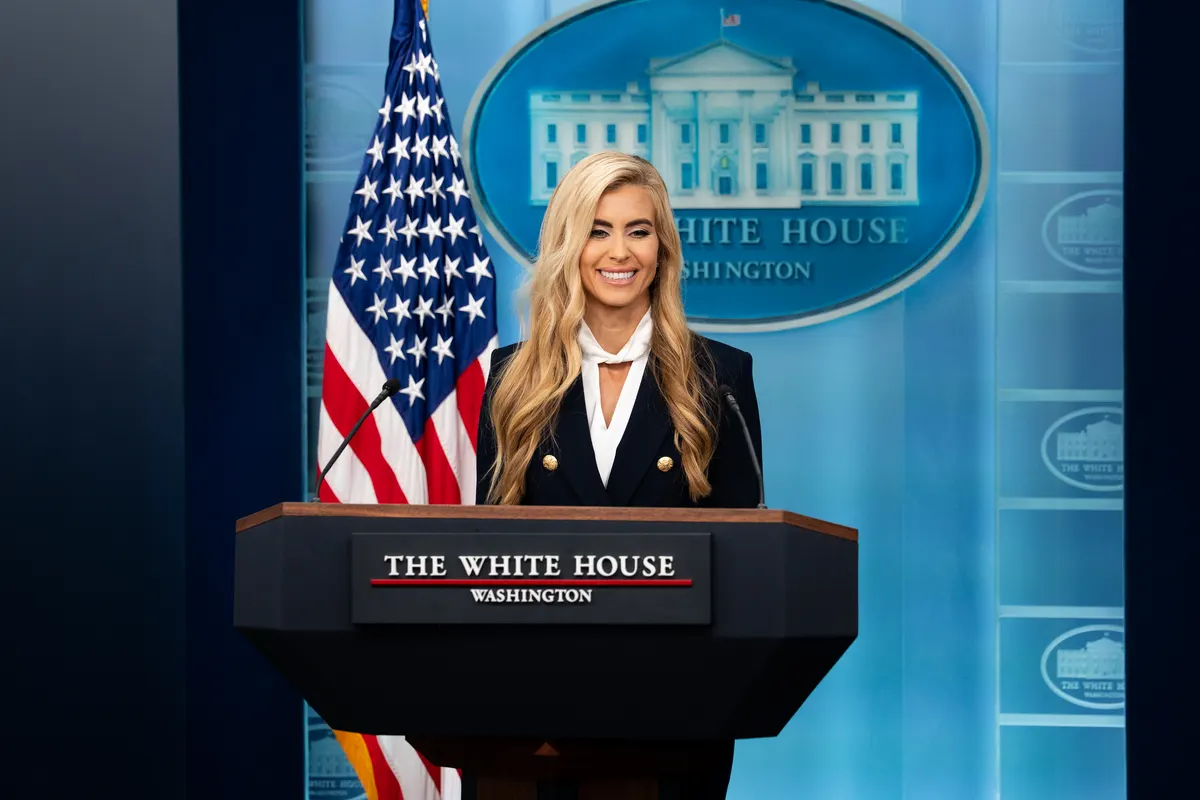
President Donald Trump made a surprise appearance in the White House briefing room Monday and said the war with Iran "militarily is effectively over." He spoke after meeting Qatar's prime minister, Sheikh Mohammed bin Abdulrahman Al Thani, a key go-between with Tehran. "We're just keeping it the status quo," Trump said, adding that Iran has been "decapitated," according to AP.
Why it matters
The 8-month-old war has driven up fuel prices, and voter frustration with it shadowed last week's midterms, in which Republicans lost both chambers of Congress, AP reported. Markets read the shift as lowering the risk of new fighting: U.S. crude fell 4.38% to settle at $86.85 a barrel Monday and Brent fell 5.85% to $92.57, helping the Dow gain 1,104 points, according to CNBC.
More context
Strikes on hold, for now: "The military action doesn't seem to be a very necessary thing, but we're locked and loaded, ready to go for any reason that changes," Trump said. AP called it some of his most definitive comments yet about moving away from his threat to resume strikes after the midterms. He said he sees "momentum toward the end of this conflict" and that it will end "fairly soon," but gave no date.
What stays in place: Trump said the U.S. naval blockade of Iranian ports will continue, calling it "the greatest naval blockade in the history of our country," and said Gulf neighbors including Qatar, Saudi Arabia, the UAE, Bahrain and Kuwait prefer that status quo, Al Jazeera reported. AP said he gave no hint of drawing down the thousands of U.S. troops in the waters off Iran. Al Jazeera reported the status quo also covers Task Force Iron Gate, the new effort to cut off Iran's land and Caspian Sea trade.
The diplomacy: Qatar's prime minister said the two leaders discussed "ways to progress the US-Iran talks" and he was "grateful for the positive discussions on reaching a deal." Mediators have been discussing a two-day proposal under which the U.S. would lift the blockade and release some frozen Iranian funds, and Iran would take steps toward renewed nuclear inspections and reopen the Strait of Hormuz, Axios reported, as cited by Fox News. Washington has not accepted it. Secretary of State Marco Rubio said Sunday, "I wouldn't say we're on the verge of a breakthrough," and called Iran's demands unrealistic, Fox News reported.
Iran's response: Mohsen Rezaei, secretary of Iran's Supreme National Security Council, dismissed Trump's remarks, writing, "STOP manufacturing FAKE NEWS about imaginary talks," according to Al Jazeera. President Masoud Pezeshkian said Iran is open to negotiating an end to a state of "neither war nor peace" but "will not surrender to force and bullying." Iran's stated conditions include ending the blockade, lifting sanctions, unfreezing assets, compensation for war damage and an end to fighting across the region, including Israel's operations in Lebanon, AP reported.
Weak spot: Trump said in his CBS "60 Minutes" interview Sunday that the Strait of Hormuz is open, but Reuters reported Monday that tanker attacks in the Gulf and the strait accelerated sharply in October and continued into November, according to Fox News (https://www.foxnews.com/world/trump-meets-key-iran-war-mediator-uae-reveals-major-oil-export-surge-despite-conflict). Former Biden adviser Amos Hochstein told Fox that needing a heavy U.S. military presence to move a tanker is "the definition of not open."
Each side's case: Trump argues the blockade protects U.S. allies, saying they are "a lot safer than they were six months ago" but that Iran is still "the bully of the Middle East a little bit," Al Jazeera reported. Critics say the administration launched the war without proper authorization and violated the War Powers Resolution, AP reported, and Rep. Thomas Massie, R-Ky., moved Monday to force a House vote on impeaching Defense Secretary Pete Hegseth, largely over the war.
What's still unknown: whether Washington will accept any version of the Qatari-brokered proposal, how long the blockade will last, whether any U.S. troops will come home, and whether the limited U.S. strikes of the past week, including on Iranian air defenses, will stop.
Sources across the spectrum This story cites right-leaning and left-leaning outlets. Every source is listed below.
6 listed sources
- AP (Aamer Madhani), Trump after meeting with Qatari PM says he believes war with Iran is militarily 'effectively over', Nov. 9, 2026
- Al Jazeera, After meeting Qatar PM, Trump calls Iran war 'effectively over' militarily, Nov. 9, 2026
- Fox News (Efrat Lachter), Trump meets key Iran war mediator as UAE reveals major oil export surge despite conflict, Nov. 9, 2026
- CNBC, Dow surges 1,100 points, Nasdaq climbs more than 2% as tech rebounds from last week's tumult, Nov. 9, 2026
- CBS News, Trump says Iran war at "status quo," tells 60 Minutes there's no reason to escalate conflict, Nov. 8, 2026
- Axios, Trump to meet Qatari prime minister about mediation efforts with Iran, Nov. 9, 2026
References listed by US Brief; a source count is not a verification score.
Editorial sourcing notes
Trump's quotes follow AP and Al Jazeera accounts of Monday's briefing. Qatar's prime minister's statement and the Iranian responses follow Al Jazeera; Rubio's Sunday remarks and the Hormuz attack reporting follow Fox News; oil settlement prices follow CNBC. The two-day proposal is described by Axios via Fox News and has not been accepted by Washington. Trump gave no timeline for ending the war or the blockade. Outlet lean, for transparency: Fox News is generally seen as right-leaning; AP, CNBC, CBS News, Axios and Al Jazeera are listed without a tag.
Like US Brief? You can support it with a tip.