
Both Sides: Escalate Iran now, or force a wind-down?
After meeting his national security team Thursday, President Trump said he may have to "destroy the rest" of Iran and that a decision is coming "soon." Democrats who just took Congress say ending the war is a top priority, while Trump and allies argue finishing the nuclear job still outweighs the midterm cost.
AI-assisted · US Brief desk · Sources listed below
What happened
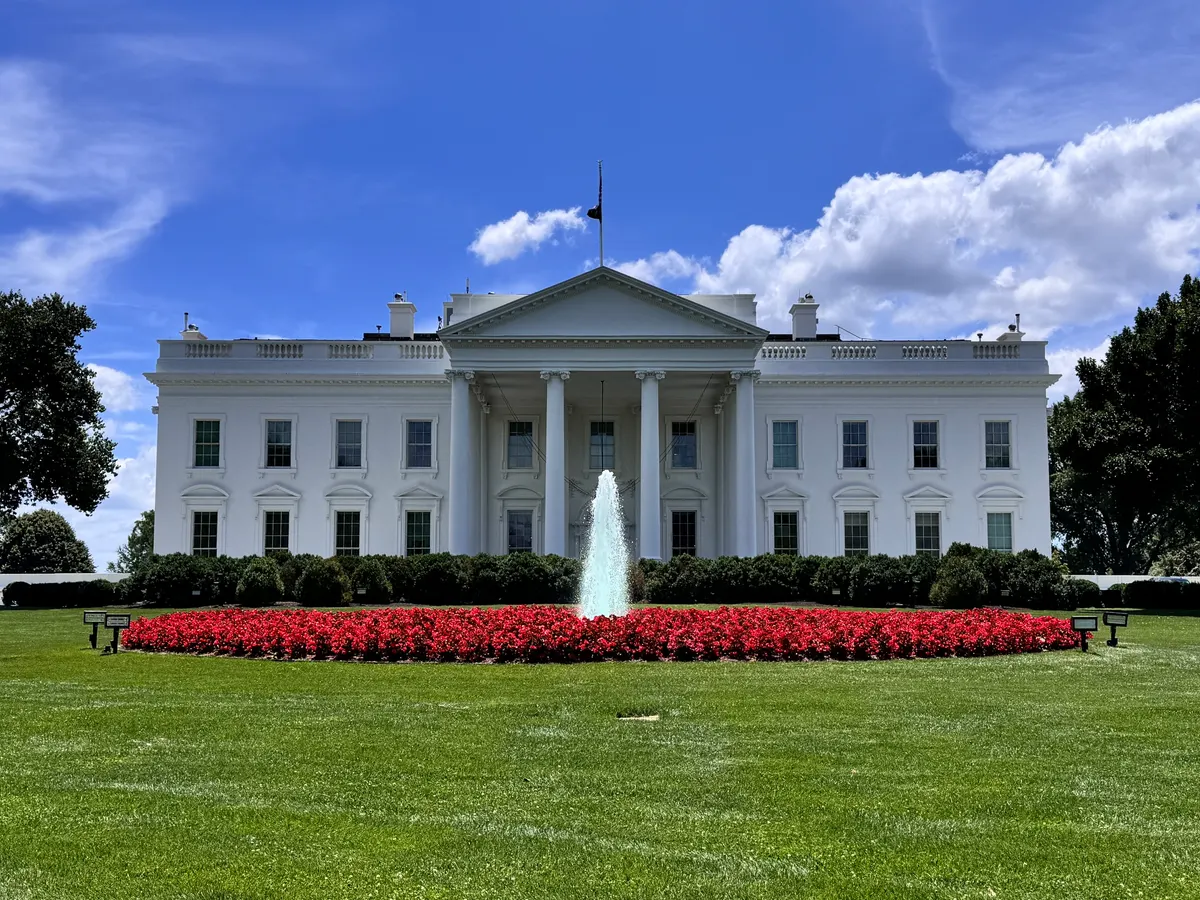
Two days after Democrats flipped Congress, President Donald Trump met his national security team and told reporters he will soon decide whether to resume major strikes on Iran. "I would rather not destroy the rest of the country if possible, but maybe I will have to. You'll know soon enough," he said in the Oval Office, Fox News and Axios report. Axios says he is weighing three paths: new strikes, tighter economic pressure, or a deal with significant concessions to Tehran.
The strongest case for escalation or "finishing the job": Trump told reporters Iran is not making nuclear moves "without our approval" and described the U.S. posture as "virtually an occupation," Fox News reports. He argues the campaign has already achieved key military aims and that leaving the job unfinished invites a reconstituted nuclear program. Fox News also notes U.S. Central Command is finalizing preparations for possible major operations, though officials say it has no new strike directive, and that a mid-November new moon could favor night flying. Allies of the war say midterm politics should not unlock an Iranian breakout.
Weak spot: Voters just punished Republicans over the war and pump prices. Escalation risk reopening the Strait of Hormuz fight and another oil spike — the same economic hit Vance and Trump both tied to Tuesday's losses.
Why it matters
The eight-month Iran war and the energy-price spike that followed were central to the Republican midterm rout. Vice President JD Vance has said the war is "the reason we lost," while Trump says he would make the same call again to stop an Iranian nuclear weapon. A Democratic House and Senate can squeeze war funding and oversight starting in January even if Trump orders more force now.
More context
The strongest case for a forced wind-down: House Democratic leader Hakeem Jeffries said ending the Iran war will be at the top of House Democrats' agenda after the midterms, CNN reported. Democrats argue the conflict was a war of choice that raised living costs and that a new majority can use appropriations and investigations to constrain further offensive operations. Axios describes Qatari mediators floating a short confidence-building sequence — easing the naval blockade and releasing some frozen funds in exchange for IAEA access steps, then reopening Hormuz before deeper nuclear talks — as an off-ramp while Trump decides.
Weak spot: Trump remains commander in chief through 2028. Funding limits and oversight bite slowly; they do not instantly stop a presidential strike order in the lame duck, and Iran's seven preconditions for talks (including reparations and sanctions relief) may be politically toxic in Washington.
What's still unknown: whether Trump picks strikes, strangulation, or a deal; whether a third carrier strike group reaches the region by mid-November as Axios reported for the USS Theodore Roosevelt; and how quickly Democrats can translate campaign pledges into binding spending language.
Bottom line: One side says unfinished nuclear disarmament justifies more force despite the midterm cost. The other says the election was a mandate to stop pouring blood and higher energy prices into an open-ended war. Both arguments are on the record; Trump's "soon" decision and the January Congress will test which one wins.
Sources across the spectrum This story cites right-leaning and left-leaning outlets. Every source is listed below.
4 listed sources
- Fox News live updates, Nov. 5–6, 2026
- Axios (Barak Ravid), Nov. 5, 2026
- CNN, Nov. 4, 2026
- Associated Press live, Nov. 6, 2026
References listed by US Brief; a source count is not a verification score.
Editorial sourcing notes
Fox News for White House meetings, CENTCOM timing notes, and Trump quotes; Axios for the three-option framing and Qatari draft steps; CNN for Jeffries/Democratic agenda language. Claims about CENTCOM readiness and carrier timing are attributed to unnamed U.S. officials in those outlets, not independently verified by US Brief. Distinct from the Oct. 23 Both Sides on pre-election strike plans.
Like US Brief? You can support it with a tip.