
Both Sides: Is DOJ's third Comey case law or payback?
The Justice Department filed a two-count criminal information accusing former FBI Director James Comey of disclosing national defense information in October 2016. DOJ says the filing preserves the case past a 10-year deadline; Comey's lawyers say only a grand jury indictment can do that.
AI-assisted · US Brief desk · Sources listed below
What happened
Federal prosecutors filed a two-count criminal information against James Comey in U.S. District Court in Washington, D.C., alleging that on or about Oct. 5, 2016, he willfully communicated national defense information to someone not entitled to receive it and conspired with others to disclose it, Fox News reported. CNN reported the allegation is that he ordered staff to share sensitive information with a New York Times reporter. The case was unsealed Monday.
Why it matters
The fight is mostly about a procedural move. Comey's lawyers say the law required an indictment within 10 years, a deadline CNN says ran out on Oct. 5, 2026. DOJ filed an information instead of a grand jury indictment, and a judge will decide whether that is enough to stop the clock.
More context
It is the third time the Trump Justice Department has brought criminal allegations against Comey. A case accusing him of lying to Congress was dismissed, and a separate case in North Carolina over his "8647" seashell post is still pending.
The strongest case for the prosecution: DOJ says it filed a "waiverless criminal information to toll the statute of limitations," calling it "a widely recognized practice in federal court" that "has been approved by multiple Circuit Courts of Appeals," and says the investigation is ongoing. Supporters of the case argue that an alleged leak of national defense information should not escape review simply because a deadline passed. President Trump said he knew little about the filing but called Comey "a dirty cop."
The strongest case against: Comey called it "an appalling abuse of the Department of Justice" and said he is innocent. His lawyers argue prosecutors cannot proceed without a grand jury indictment returned within 10 years. CNN legal analyst Elie Honig, a former federal prosecutor, called it a "bizarre, and likely improper" use of an information, because an information normally needs the defendant's consent. Comey's lawyers also say the allegations were investigated before without charges.
Weak spot (Comey's side): "Already investigated" is not a legal bar to charges. And the DOJ inspector general found in 2019 that Comey violated Justice Department and FBI policy in handling his memos about meetings with Trump, including having a friend share a memo's contents with a Times reporter, though DOJ declined to prosecute then. Weak spot (DOJ's side): The department itself says the information is not its final charging document, and it has not said when or whether it will seek an indictment.
What's still unknown: How U.S. District Judge Trevor McFadden, a Trump appointee who unsealed the case after a closed Oct. 9 hearing, will rule on Comey's motion to dismiss, and what specific document or conversation prosecutors are pointing to.
Sources across the spectrum This story cites right-leaning and left-leaning outlets. Every source is listed below.
6 listed sources
- Fox News, Oct. 26, 2026
- CNN, Oct. 26–27, 2026
- NPR, Oct. 26, 2026
- NBC News, Oct. 26, 2026
- AP, Oct. 26, 2026
- DOJ Office of the Inspector General, Aug. 29, 2019
References listed by US Brief; a source count is not a verification score.
Editorial sourcing notes
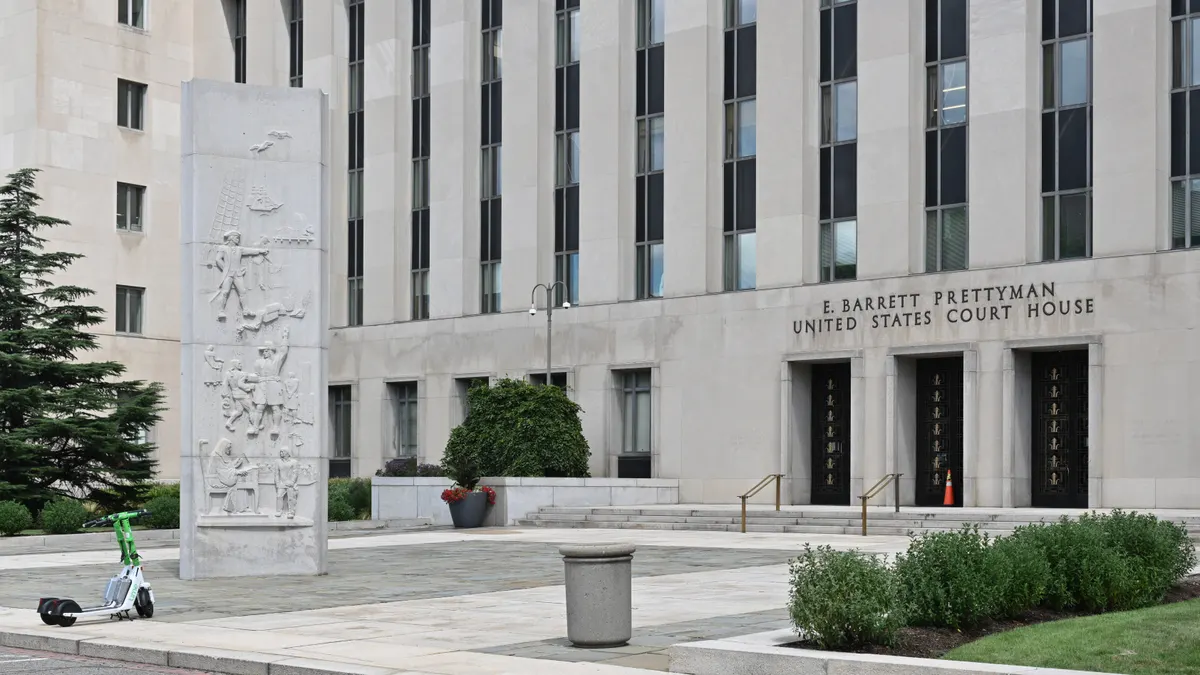
Sourcing: Fox News, CNN, NPR and NBC News reports from Oct. 26, plus the DOJ inspector general's 2019 report on Comey's memos. Court papers made public Monday contain few details about what prosecutors allege, so this story describes only what DOJ, Comey and the outlets have said. Lean note: Fox News is right-leaning; CNN, NPR and NBC News are left-leaning. Hero is a July 2026 file photo of the D.C. federal courthouse where the case was filed.
Like US Brief? You can support it with a tip.