
U.S. emergency oil reserve falls to lowest since 1982 as Brent tops $110
Crude in the Strategic Petroleum Reserve fell to 282.7 million barrels last week, the lowest since October 1982, Energy Department data show, as Brent crude touched a five-month high above $111 on Tuesday.
AI-assisted · US Brief desk · Sources listed below
What happened
Crude stocks in the U.S. Strategic Petroleum Reserve fell to 282.7 million barrels last week, the lowest level since October 1982, according to Energy Department data reported by Reuters. The decline reflects drawdowns under an agreement to release 172 million barrels from the reserve.
Why it matters
The reserve is Washington's main fast-acting cushion against supply shocks. With it at a four-decade low, the government has fewer barrels to release if Gulf disruptions worsen, which traders say helps keep a premium in prices that feeds through to gasoline and diesel.
More context
Prices: Brent crude futures rose as high as $111.05 a barrel on Tuesday, the highest since May, and traded near $110.80 early in the day, Reuters reported. U.S. West Texas Intermediate rose as high as $104.94, its highest since September.
What is driving it: Traders cited Houthi claims of attacks on Saudi energy, airport and military targets, including an Aramco site in Yanbu and the Shaybah oilfield. Saudi authorities did not immediately confirm the claims, and Reuters said it could not verify them. Ship-tracker Kpler said at least 18 vessels were reportedly attacked over two weeks. ING analysts said the market was pricing in "a significant risk premium" that would likely erode slowly if oil keeps flowing, adding that "there are no signs of this yet."
What would change the story: Confirmation or denial of the Saudi strikes, any new emergency-release decision, and a final White House decision on the Russia sanctions waiver, which President Trump has said he has not made. Weekly U.S. inventory data due this week will show whether commercial stocks kept falling, as analysts polled by Reuters expect.
3 listed sources
- Business Today (citing Reuters and Energy Department data), Oct. 20, 2026
- CNBC (Reuters), Oct. 20, 2026
- MarketScreener (Reuters), Oct. 19, 2026
References listed by US Brief; a source count is not a verification score.
Editorial sourcing notes
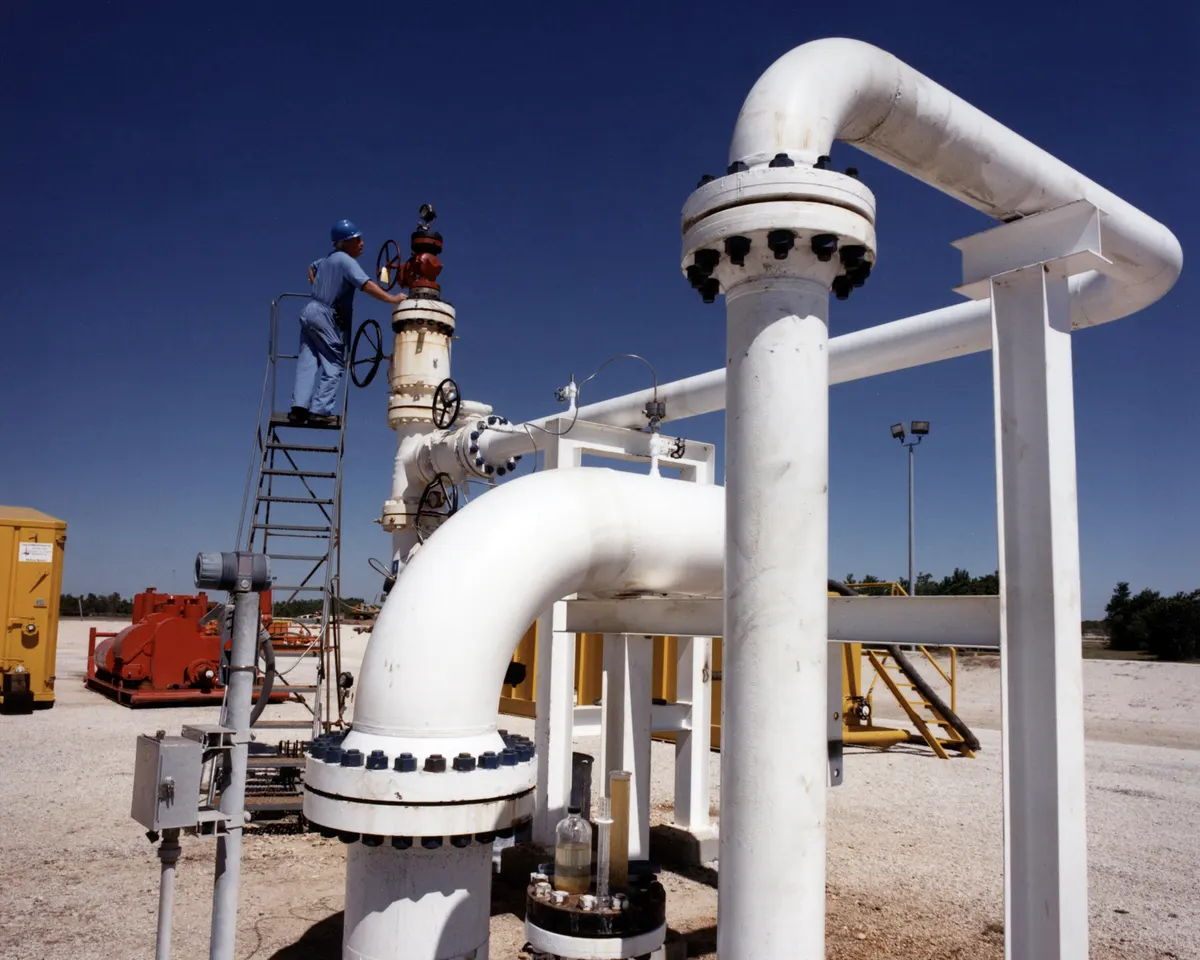
Prices are as reported by Reuters and CNBC early Tuesday and move through the day. The Houthi attack claims had not been confirmed by Saudi authorities, and Reuters said it could not independently verify them. The photo is a file image of an SPR site, not a current event.
Like US Brief? You can support it with a tip.