
What Venezuelan oil can—and can’t—do to US gas prices
A million-barrel cargo sounds large, but it equals about 70 minutes of US petroleum use and about 88 minutes of refinery crude input. Sustained Venezuelan supply could help Gulf Coast refiners, but pump prices also depend on global crude prices, refinery operations, inventories, taxes and local markets.
AI-assisted · US Brief desk · Sources listed below
What happened
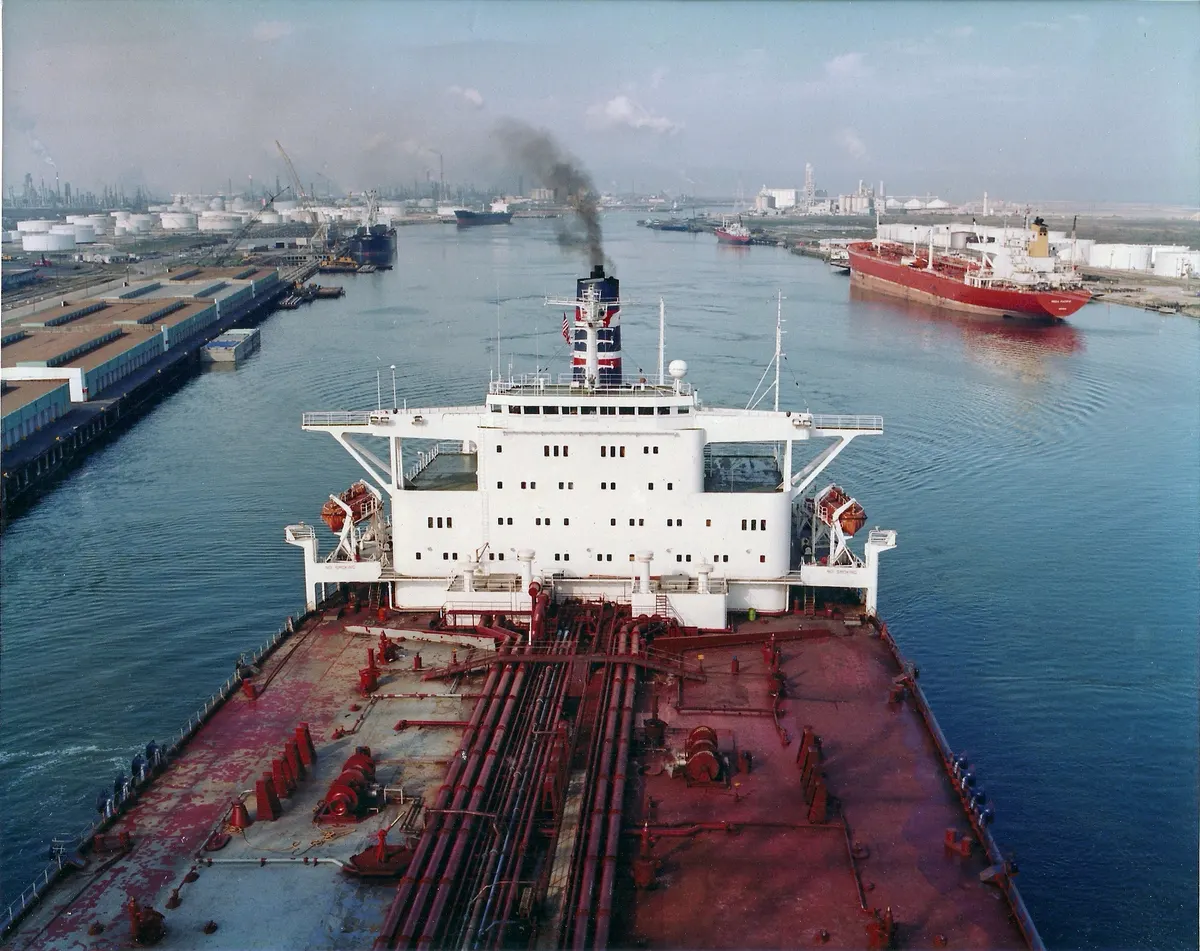
One tanker does not set the price at the pump. President Trump pointed to a ship carrying 1 million barrels of Venezuelan oil and said gasoline and diesel prices would soon fall. The Washington Post reported that the government bought the oil at a discount, while the White House described it as free to taxpayers. US Brief could not independently confirm the contract terms. Either way, the shipment is best understood as one piece of a much larger market.
Start with scale. The United States consumed about 20.6 million barrels of petroleum per day in 2025, according to the Energy Information Administration. One million divided by 20.6 million is 0.0485 day. Multiply by 24 hours, then 60 minutes, and the cargo equals about 70 minutes of national petroleum use. This comparison covers finished petroleum products as well as crude-derived products, so it is a broad demand measure, not a forecast of gasoline supply.
Refinery throughput gives a second benchmark. EIA says US refineries and blenders took in 16.369 million barrels of crude oil per day in 2025. One million divided by 16.369 million is 0.0611 day, or about 88 minutes of crude input. A cargo can matter to the refinery receiving it, but it is small beside the system's daily flow.
Why it matters
Gas and diesel prices are a top issue five days before the midterms, and the tanker claim invites readers to expect relief at the pump. The data show how small one cargo is next to daily US demand, and what a lasting price effect would actually take.
More context
Venezuelan supply itself is not new. EIA estimates US crude imports from Venezuela averaged 505,000 barrels per day in 2018, before oil-sector sanctions halted imports in 2019. Imports later resumed. EIA's district table shows 701,000 barrels per day in July 2026: 655,000 to the Gulf Coast and 46,000 to the East Coast. July was a monthly snapshot, not a guarantee that the rate continued, and it was about 39% above the 2018 average.
Why do Gulf Coast refiners buy it? Venezuelan crude is generally heavy, while many Gulf Coast plants have cokers and other equipment built to turn heavier, higher-sulfur oil into gasoline, diesel and other products. EIA says Venezuelan heavy crude is especially well suited to those refineries. A compatible barrel can be more useful than a lighter barrel at a plant designed around a heavy crude slate.
That fit does not create an automatic one-for-one discount at service stations. EIA says pump prices include crude oil, taxes, refining costs and profits, distribution and marketing. Prices can jump when global crude supply tightens, a refinery or pipeline goes down, inventories fall or seasonal demand rises. A discounted cargo may lower one refinery's feedstock cost without immediately lowering the market price of gasoline.
The strongest case for expanded purchases is the administration's: more authorized Venezuelan supply, bought on favorable terms and routed to compatible US refineries, can add barrels and improve refinery economics. If cargoes arrive regularly, increase total world supply and are not offset by cuts elsewhere, they can add downward pressure to crude and wholesale fuel prices. Treasury says current licenses channel Venezuelan oil transactions through authorized terms and accounts.
The strongest caution comes from the scale and the contract's uncertainty. Oil experts quoted by the Washington Post said this shipment alone is not expected to significantly affect gas prices. The article says future cargo sizes and timing have not been disclosed. Any expansion also touches the sanctions framework and US leverage over Venezuela, so the disclosed volumes, prices and destination of the proceeds matter more to judging the deal than a single tanker arrival.
What would change the story: sustained daily volumes, not single cargoes. Also watch global crude benchmarks, Gulf Coast refinery runs and outages, gasoline inventories and demand. One million barrels can supply a plant and make a political point. A durable price change requires a flow large and persistent enough to alter the broader balance of crude and gasoline supply against demand.
11 listed sources
- EIA, U.S. imports of Venezuelan crude oil, monthly through July 2026:
- EIA, crude oil imports from Venezuela by refining district:
- EIA, 2018 Venezuelan import average:
- EIA, Venezuela country analysis and heavy-crude refinery fit:
- EIA, Gulf Coast refinery crude-input quality:
- EIA, U.S. petroleum consumption in 2025:
- EIA, U.S. refinery and blender net input in 2025:
- EIA, factors affecting gasoline prices:
- EIA, gasoline price fluctuations:
- Treasury OFAC, Venezuela-related sanctions:
- US Brief, Trump touts 1 million barrels of Venezuelan oil at Texas rally:
References listed by US Brief; a source count is not a verification score.
Editorial sourcing notes
Primary data are from EIA tables and explainers current through July 2026, plus Treasury's Venezuela sanctions page. The pro-purchase case is attributed to the administration; the price-effect caution is attributed to oil experts quoted by the Washington Post in the linked US Brief article. The reused hero is an undated file photo, not the reported cargo.
Like US Brief? You can support it with a tip.