
US proposes new tariffs on 14 economies, including 20% on China
The Trump administration on Wednesday proposed new tariffs on 14 trading partners it says flood world markets with subsidized factory goods, including up to 20% on most Chinese imports and 15% on goods from the EU, Japan and South Korea. Nothing takes effect before public hearings on Jan. 25, 2027.
AI-assisted · US Brief desk · Sources listed below
What happened
U.S. Trade Representative Jamieson Greer on Wednesday found that 14 economies use subsidies and other policies that create excess factory capacity and "burden or restrict U.S. commerce," and proposed new tariffs on each of them. The 14 are China, the European Union, Japan, South Korea, Taiwan, India, Vietnam, Thailand, Malaysia, Indonesia, Singapore, Cambodia, Bangladesh and Switzerland, according to USTR's announcement. Mexico and Norway, also part of the probe opened in March, were left out for now because those investigations are still under way, Greer said, according to Reuters.
Why it matters
The 14 economies include most of America's largest trading partners, so the duties would reach a wide range of imported goods in 2027, from cars and electronics to clothing. Democrats who take control of Congress in January have said they want to curb presidential tariff powers, setting up an early fight over trade.
More context
The proposed rates: China faces up to 20% on most goods (up to 10% on goods in a separate annex), added on top of roughly 25% in tariffs from Trump's first term, Reuters reported. About $30 billion of Chinese imports being weighed for tariff cuts under a U.S.-China "Board of Trade" are exempt. The EU, Japan, South Korea, Taiwan and Switzerland face 15%, counting standard import duties. Bangladesh, Cambodia, Indonesia, Malaysia and Thailand face up to 18%. India faces up to 25%, or 17% with a trade deal. Vietnam faces up to 35%, or 20% with a deal. Singapore faces up to 20%, or 10% with a deal.
What could still change: USTR's notice says the EU rate could rise to as much as 20% if talks with Brussels prove "unsatisfactory." China's 20% rate is set to fit a U.S.-China trade truce that expires Jan. 10; if the truce unravels, China's rate would rise to 40%, Reuters and Axios reported, citing USTR and a senior official. The new duties would not stack on the 10% and 12.5% tariffs imposed in July on 60 trading partners over forced-labor enforcement. On average, the plan would lift tariffs on the targeted partners by about 5 percentage points, the official estimated to Axios.
What changed since Tuesday's reports: Reuters, POLITICO, Axios and The Wall Street Journal had reported that 16 partners could be named and that rates would respect caps in existing trade deals. The official list has 14, and most rates match those deal caps. One difference: Malaysia's proposed rate is up to 18%, below the 19% cap reported Tuesday.
The case for: Greer said trading partners have used "industrial strategies built on targeting manufacturing, wage and labor suppression, financial and other support" that erode America's manufacturing base, and that years of G7, G20 and WTO statements had not changed that. He told CNBC the caps match deals that also opened markets to U.S. exports: "I think a lot of this is baked in," he said, according to Reuters. The administration also wants to rebuild tariffs the Supreme Court struck down in February, Fox Business reported.
The case against: Rep. Don Beyer (D-Va.), the senior House Democrat on the Joint Economic Committee, called the probe "a sham investigation" and said Congress "can't leave these authorities in the hands of the President." China's Foreign Ministry said "the so-called 'overcapacity' is a false issue," but did not threaten retaliation, Reuters reported. The European Commission said it "strongly reject[s] the premise that Europe is a source of structural overcapacity," POLITICO Europe reported. A Reuters/Ipsos poll after the midterms found 62% of respondents support efforts to repeal Trump's tariffs.
Markets: The announcement landed on a rough day for stocks, alongside a renewed sell-off in AI and chip shares and fresh inflation data. As of about 10:30 a.m. Eastern, the S&P 500 was down 2.7% and the Nasdaq was down 4.1%, AP reported.
Also Wednesday: USTR separately proposed a 10% tariff on finished Brazilian aircraft, which had been exempt from the 25% tariffs on Brazil imposed in July, and higher duties on sugar imports above quota, Reuters and Fox Business reported.
What's still unknown: Final rates and product exemptions, whether India, Vietnam and Singapore reach deals that lower their rates, and whether the U.S.-China truce is extended past Jan. 10. Written comments and requests to testify are due Jan. 5, 2027, and USTR will hold hearings starting Jan. 25, 2027, so no new duties can take effect before then. USTR said the probe drew about 1,070 public comments and nearly 140 witnesses.
Sources across the spectrum This story cites right-leaning and left-leaning outlets. Every source is listed below.
10 listed sources
- Office of the U.S. Trade Representative (primary), USTR Makes Determinations and Proposes Actions in 14 Section 301 Investigations Relating to Structural Excess Capacity and Production in Manufacturing Sectors, Nov. 25, 2026
- Office of the U.S. Trade Representative (primary), Notice of Determination and Request for Comments, Section 301 investigation of the European Union (pre-publication Federal Register notice), Nov. 25, 2026
- Reuters (David Lawder, Andrea Shalal), Trump unveils new tariffs to fight excess factory capacity, undeterred by midterms defeat, Nov. 25, 2026
- Axios (Courtenay Brown), Trump prepares new round of tariffs on China, other U.S. trading partners, Nov. 25, 2026
- Fox Business (right-leaning; Bradford Betz), Trump admin to raise tariffs on China, EU, other trading partners, Nov. 25, 2026
- POLITICO Europe (Camille Gijs), EU rejects Trump's case for new tariffs, Nov. 25, 2026
- Rep. Don Beyer (D-Va.), Beyer Statement On Trump's Latest Round of Tariffs, Nov. 25, 2026
- AP, AI rout drags Wall Street lower, S&P 500 slumps 2.7%, Nov. 25, 2026
- Reuters (David Lawder, Andrea Shalal), Trump administration set to unveil new tariffs after probe on excess factory capacity, sources say, Nov. 24, 2026
- Office of the U.S. Trade Representative (primary), USTR Initiates Section 301 Investigations Relating to Structural Excess Capacity and Production in Manufacturing Sectors, March 11, 2026
References listed by US Brief; a source count is not a verification score.
Editorial sourcing notes
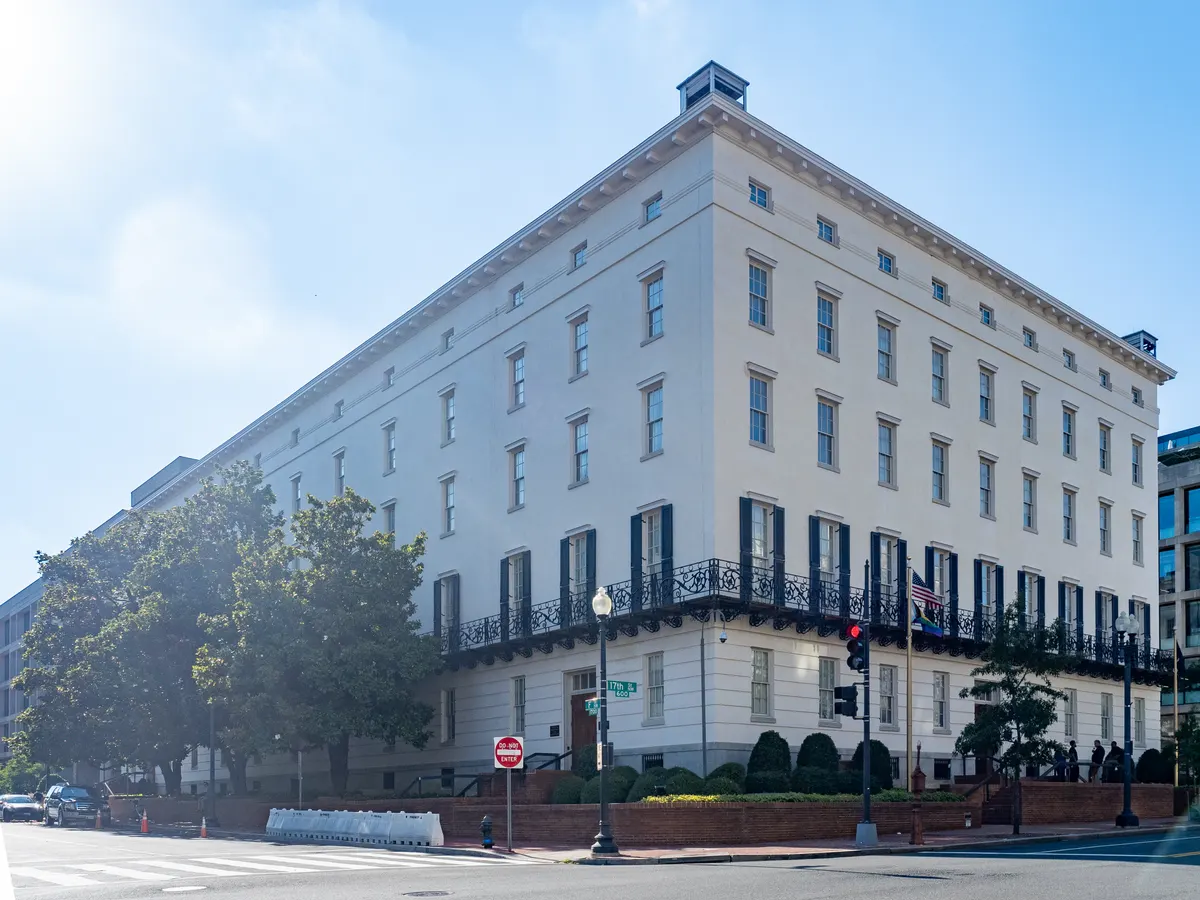
Updated Nov. 25, 2026, after the U.S. Trade Representative's office published its determinations and proposed tariff rates; an earlier version, based on reports from people familiar with the plans, said 16 trading partners could be named. Rates below are the proposed caps in USTR's notices and could change after public comments and hearings. China's possible 40% rate and the estimated average increase of about 5 percentage points come from a senior U.S. official, as reported by Reuters and Axios. Stock-market figures are intraday and were still moving. The hero photo is a file image (2024) of the Winder Building in Washington, which houses the Office of the U.S. Trade Representative.
Like US Brief? You can support it with a tip.