
DoorDash to buy Instacart for $17 billion, facing likely FTC review
DoorDash agreed Thursday to buy grocery-delivery rival Instacart for $65 a share, about $17 billion, its biggest deal ever. The companies expect it to close in late 2027 or early 2028, and analysts say an antitrust review by the Federal Trade Commission is the main risk.
AI-assisted · US Brief desk · Sources listed below
What happened
DoorDash said Thursday it will buy Instacart for $65 a share, an equity value of about $17 billion and DoorDash's biggest deal yet, Reuters reported. The price is 26% above Instacart's close on Oct. 22, the last trading day before reports of talks, and about 11% above Wednesday's close, per CNBC. Instacart's board approved the deal unanimously.
Why it matters
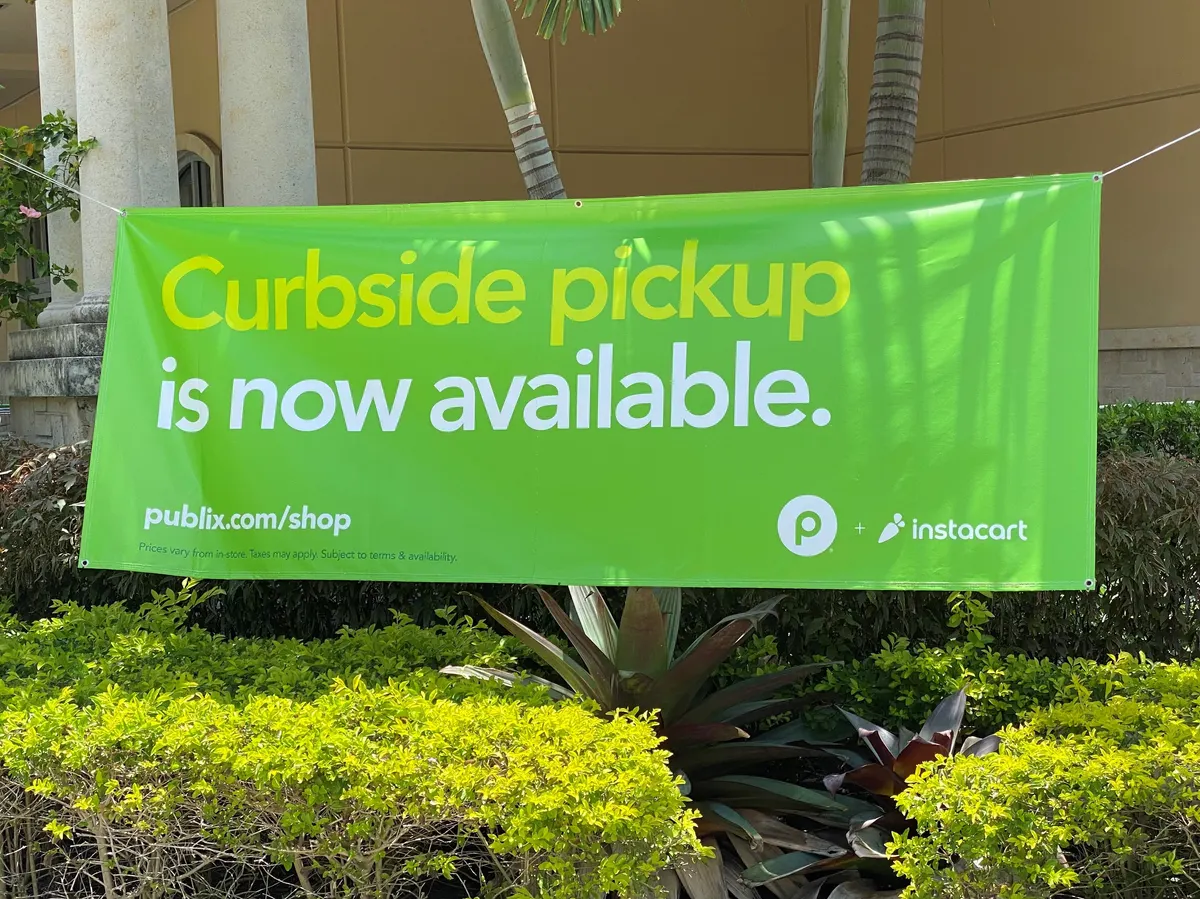
The deal would put the biggest US delivery app and grocery-delivery specialist Instacart under one roof. Last year DoorDash handled 65.1% of US delivery orders, Uber Eats 25.8% and Instacart 9.1%, according to YipitData figures from email receipts cited by Reuters. The Federal Trade Commission, which has made grocery costs and delivery-app fees a focus, is likely to review the deal, Reuters reported. Instacart agreed last December to pay $60 million to settle FTC allegations of misleading ads and subscription sign-ups, per CNBC.
More context
How it's paid for: At least 75% of the price will be cash. Instacart shareholders can choose $65 in cash, 0.3372 DoorDash shares, or a mix, with stock capped at 25% of the total, according to the companies' announcement. JPMorgan committed up to $13 billion in a one-year bridge loan, DoorDash's SEC filing shows. Holders of about 19% of Instacart's shares have agreed to vote yes. Instacart would owe a $650 million breakup fee in some cases, and DoorDash would owe $1.25 billion, Reuters reported.
What changes for shoppers: Nothing yet. The deal is not expected to close until the end of 2027 or the first half of 2028. DoorDash says it will keep Instacart's brand and app, combine the two companies' membership programs and not require grocers to use its delivery exclusively, Reuters and CNBC reported.
The numbers behind it: DoorDash also reported third-quarter revenue of $4.62 billion and adjusted earnings of $1.06 a share, both above analyst estimates compiled by LSEG, with 993 million orders, up 28%, per CNBC. Instacart reported $10.5 billion in grocery sales on its platform, up 15%, 91.4 million orders and $147 million in net income. DoorDash shares rose about 6% Thursday morning, while Instacart traded near $58, below the $65 offer.
The strongest case for the deal: DoorDash CEO Tony Xu said grocery is "one of the hardest things to get right online," and that combining Instacart's grocery know-how with DoorDash's delivery network could give "stores of every size" tools to compete, per CNBC. Supporters note both apps face Walmart and Amazon, which deliver groceries from their own stores and warehouses. "Restaurant delivery is maturing, and growth now lies in more frequent, higher-value orders," Morningstar analyst Martin Szumski told Reuters.
The strongest case against: Critics say one company would control too much of app-based delivery and shoppers' data. Lindsay Owens of the Groundwork Collaborative, which co-wrote a 2025 study of Instacart's price testing, called the deal "obviously illegal" in comments to Reuters. New York City's consumer-protection department said a merger would continue a "troubling trend" of consolidation. Emarketer analyst Zak Stambor told Reuters the overlap in grocery delivery means a deal "would almost certainly draw antitrust scrutiny."
What the evidence shows: The answer depends on how the market is defined. Measured by app-delivery orders, the two companies together had about 74% last year, per YipitData via Reuters. Measured against all grocery spending, third-party delivery apps "remain a minority," Wedbush analysts wrote, per CNBC. No regulator has ruled, so claims that the deal is clearly legal or clearly illegal are both ahead of the evidence.
What's still unknown: Whether the FTC opens a full investigation, what changes it might demand, and whether the long closing window, which CFRA analysts said leaves the deal "exposed to changes in policy," carries it past a shift in antitrust leadership. Canadian and Israeli regulators must also sign off, and Instacart shareholders still have to vote.
6 listed sources
- DoorDash, 'DoorDash to Acquire Instacart to Help Local Stores Win,' Oct. 29, 2026
- DoorDash 8-K filing (via StockTitan), Oct. 29, 2026
- Instacart, Third Quarter 2026 Financial Results, Oct. 29, 2026
- Reuters via Investing.com, Oct. 29, 2026
- Reuters via StreetInsider, Oct. 29, 2026
- CNBC, Oct. 29, 2026
References listed by US Brief; a source count is not a verification score.
Editorial sourcing notes
Sourcing: DoorDash and Instacart's joint announcement and DoorDash's Oct. 28 SEC 8-K filing (primary documents) for deal terms, financing and closing conditions; Instacart's Q3 release for its quarterly numbers; Reuters (Milana Vinn and Anuja Bharat Mistry, Oct. 29) for deal background, stock moves, analyst quotes and termination fees; Reuters (Jody Godoy, Oct. 29) for the FTC outlook and YipitData market-share figures; CNBC (Annie Palmer and MacKenzie Sigalos) for DoorDash's Q3 results, the Xu statement and the 2025 FTC settlement. Deal-talk timing comes from a Reuters source and was not confirmed by the companies. Share prices are intraday Thursday and will change. This is not investment advice.
Like US Brief? You can support it with a tip.