
Obamacare sign-ups open with benchmark premiums up 13% for 2027
ACA open enrollment for 2027 began Nov. 1, and benchmark silver premiums, which set subsidy amounts, are up 13% on average, KFF says. People earning over 400% of the poverty line get no subsidy, and broker sign-ups face new identity checks. Pick a plan by Dec. 15 for Jan. 1 coverage in most states.
AI-assisted · US Brief desk · Sources listed below
What happened
Open enrollment for 2027 Affordable Care Act Marketplace coverage, often called Obamacare, began Sunday, Nov. 1, in most states and runs through Jan. 15, according to HealthCare.gov. People must pick a plan by Dec. 15 for coverage that starts Jan. 1; sign-ups from Dec. 16 to Jan. 15 start Feb. 1. Some states that run their own exchanges, including California, New York and New Jersey, keep enrollment open later, so check your state's marketplace.
Why it matters
About 20 million Americans buy their own coverage, many of them self-employed, small-business workers or early retirees not yet on Medicare, and the plan they pick by Dec. 15 locks in a full year of costs. Healthinsurance.org notes that because subsidies track the benchmark plan, staying in the same plan can cost more than switching, so comparing plans this year matters more than usual.
More context
The price: KFF, a health-policy research group, says finalized benchmark silver premiums, the second-cheapest silver plan that sets subsidy amounts, rise 13% on average for 2027, after a 26% jump going into 2026. The increase averages 11% in the states that use HealthCare.gov and 16% in states that run their own exchanges. Healthinsurance.org puts the weighted average approved full-price increase at about 14%, ranging from 3% in Vermont to 27.9% in Arizona; California is 9.7%, Florida 10.4% and Texas 14%.
Who feels it most: The enhanced premium tax credits that began in 2021 were temporary and expired at the end of 2025, KFF says, so credits again stop at 400% of the federal poverty level. People above that line pay the full premium. For those who qualify, the share of income they pay for the benchmark plan rises slightly in 2027, to between 2.15% and 10.22%, so larger subsidies should absorb some or all of the increase for many enrollees, according to healthinsurance.org. Shoppers also face possible extra identity checks, potential delays in working with a broker and new limits on which immigrants can get subsidies, NPR reported.
Fewer people are enrolled: Marketplace plan selections fell by 1.2 million during the last open enrollment, and paid enrollment was down 12%, or 2.6 million people, to 19.2 million by February 2026, KFF says. The broader individual market fell 18% by June, from 25.2 million to 20.5 million people. Insurers told regulators that healthier people leaving added about four percentage points to 2026 premiums and expect a similar effect in 2027.
New checks for broker sign-ups: In the federal marketplace, which serves 29 states, anyone enrolling through an agent or broker must now authorize that agent with a one-time code or link sent by text, email or automated call, NPR reported. People CMS labels "high-risk," including first-time applicants, people moving to a new state, those switching agents and those with a monthly premium of $30 or less, must also verify their identity through a CMS-approved company such as Experian. Agents not registered with the federal marketplace in 2026 can't help with 2027 enrollments until February at the earliest. One Pennsylvania broker told NPR he worries up to 1 in 5 consumers will need extra identity checks and some may give up. The rules don't apply to state-run exchanges.
The case for the changes: The Centers for Medicare & Medicaid Services (CMS) says more than 75% of HealthCare.gov shoppers will have access to a plan costing $50 a month or less after subsidies, that subsidized enrollees can get a plan with nearly 90% of the lowest-cost premium paid by the government, versus 85% in 2020, and that shoppers average about 100 plans from five or six insurers, including 35 that pair with tax-free health savings accounts. CMS also says it canceled about 315,000 unauthorized enrollments covering more than 760,000 people on Aug. 31, recovering about $2.2 billion in advance subsidy payments. "The American taxpayers should not be paying fraudulent brokers to lie about people who don't exist," CMS Administrator Mehmet Oz told Fox News.
The case against: KFF says the sharp increases may lead more healthy people to drop coverage, which pushes premiums higher again for those who stay. The Washington Post's analysis found typical increases of about 15%, the second straight year of double-digit hikes.
What the evidence shows: CMS's $50 figure counts whether at least one plan is available at that price, not what people pay for the plan they keep. Healthinsurance.org found average after-subsidy Marketplace premiums rose 58% in 2026, even as many enrollees moved to cheaper Bronze plans. On the other side, a Government Accountability Office review reported by Fox Business found complaints about unauthorized enrollments and plan switches rose from 66,548 in 2023 to 299,604 in 2025, which supports the administration's case that broker fraud was a real and growing problem.
What to do: Update 2027 income and household details on HealthCare.gov or your state's exchange before choosing, since the subsidy is based on projected income. People who don't act by Dec. 15 may be automatically re-enrolled, but HealthCare.gov warns that the savings may be wrong if their information is out of date.
Sources across the spectrum This story cites right-leaning and left-leaning outlets. Every source is listed below.
11 listed sources
- HealthCare.gov, dates and deadlines
- CMS, Plan Year 2027 Marketplace Plans and Prices Fact Sheet, Oct. 30, 2026
- CMS, Federal Marketplace anti-fraud actions
- KFF, 9 Things to Watch for the 2027 ACA Open Enrollment Period
- KFF, Questions About Health Insurance Subsidies
- Healthinsurance.org, 2027 premium increases by state
- NPR, "Shopping for an ACA health plan? Here's what to know as enrollment opens," Nov. 1, 2026
- eHealth, 2027 open enrollment dates by state
- Washington Post, How much are ACA premiums rising in 2027?, Oct. 29, 2026
- Fox News, Oz asks insurers to use brokers who record calls
- Fox Business, GAO finds Obamacare exchange lacked safeguards
References listed by US Brief; a source count is not a verification score.
Editorial sourcing notes
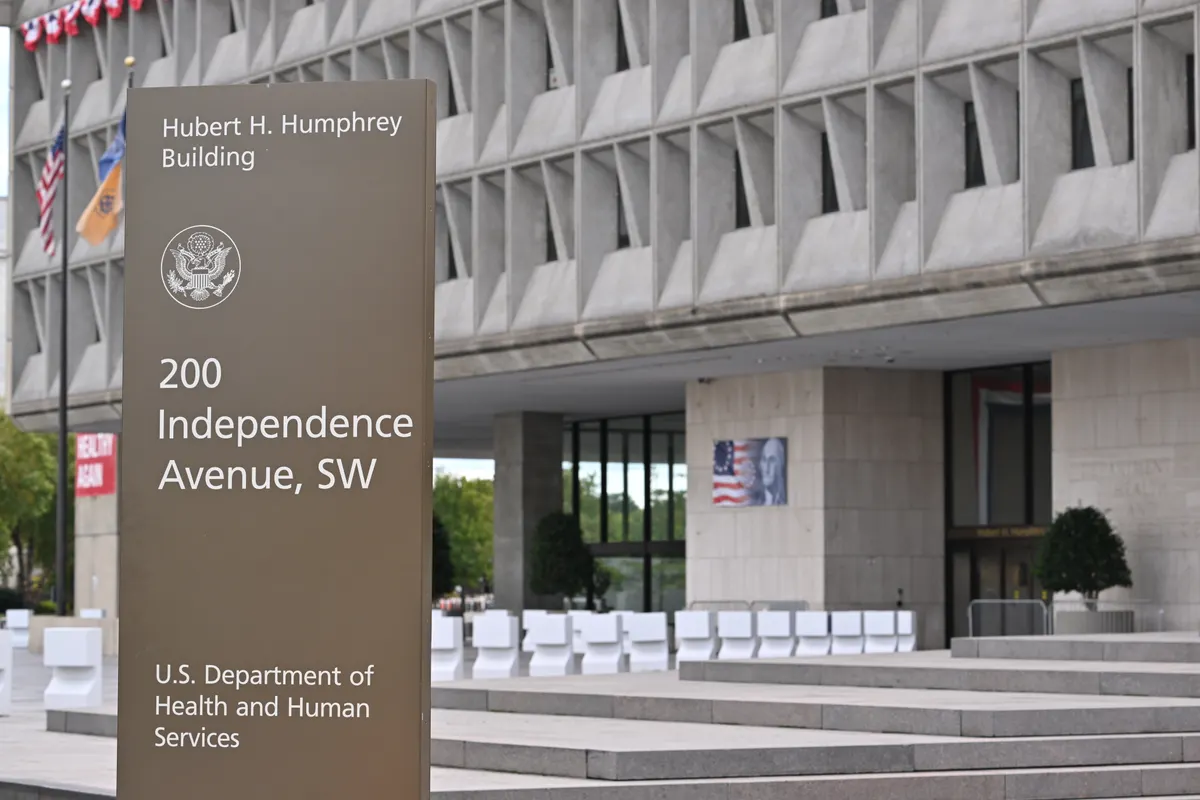
Premium figures are averages. KFF's 13% is the average rise in finalized benchmark silver premiums; healthinsurance.org's 14% is a weighted average of approved full-price rate increases before subsidies; the Washington Post's analysis put typical increases near 15%. What any one household pays depends on income, age, location and plan. The CMS figures come from the agency's own fact sheet. Hero photo shows the HHS headquarters sign in Washington (Oct. 2026); CMS is part of HHS. The Oz portrait is a 2025 file photo.
Like US Brief? You can support it with a tip.