
Trump urges Congress to pass 20% federal film tax credit now
President Trump on Friday urged Congress to pass the bipartisan Motion Picture, Television, and Entertainment Revitalization Act, a federal tax credit of 20% to 30% on U.S. production labor costs. Sen. Adam Schiff agreed it should pass before January, but the cost and a vehicle for the bill remain open questions.
AI-assisted · US Brief desk · Sources listed below
What happened
In a Truth Social post Friday, Trump said he is working with Sen. Tim Scott (R-S.C.) "and, believe it or not, Senator Adam Schiff" (D-Calif.), along with lawmakers from both parties, on the film and TV tax credit bill. "Meetings are being set up, routinely, with the Leaders of both Parties in order to, GET THIS DONE!" he wrote. He posted while meeting at the White House with actor Jon Voight, who has pushed for the credit, Variety reported.
Why it matters
Backers say foreign incentives have pulled film and TV work to Canada, the U.K. and Australia. Trump wrote that "hundreds of thousands of Blue Collar Workers" would benefit. Rep. Laura Friedman (D-Calif.), a co-author, said a national incentive "means jobs in California, Georgia, New York, New Jersey and every state across the country," Variety reported.
What’s next
Voight's team told Variety the main challenge is finding a bill to attach the credit to before the lame-duck session ends.
More context
What the bill does: It would create a 20% base tax credit on labor costs, rising to as much as 30% with bonuses, The Hollywood Reporter reported. Only projects with budgets over $1 million that shoot at least 75% in the U.S. would qualify, and the credit could be stacked on top of state incentives. It was introduced in September with backers from both parties, after Trump endorsed the idea in August, Variety reported.
Where it stands: Democrats won both chambers in the midterms, and the new Congress takes over in January. Backers hope to attach the credit to year-end funding legislation, but that bill may only be a short-term extension, Deadline reported. Rep. Don Beyer (D-Va.) told POLITICO the chances of passing any tax bill in the lame-duck session are "pretty low," Variety noted. Schiff wrote on X: "President Trump and I agree: it's time for Congress to pass a federal film incentive."
The cost: The Joint Committee on Taxation has not released its estimate. The Cato Institute estimated the credit would cost $33 billion to $49 billion, Deadline reported. Supporters have released their own studies stressing the economic activity it would bring to states.
Weak spot: Trump wrote that the money spent "will be made up tenfold by the money pouring into the Treasury's coffers." No official cost estimate has been released to back that up, and the outside estimate reported so far, Cato's, puts the cost at $33 billion to $49 billion.
4 listed sources
- Truth Social post by President Trump (archived by Trump's Truth), Nov. 13, 2026
- The Hollywood Reporter (Winston Cho), Trump Says Federal Film Tax Credit Is Gaining Momentum, Nov. 13, 2026
- Deadline (Ted Johnson), Donald Trump Urges Congress To Pass Federal Film & TV Tax Incentive Amid Worries Bill Will Languish, Nov. 13, 2026
- Variety (Gene Maddaus, Pat Saperstein), Amid Flight Halt, Trump Meets With Jon Voight to Talk U.S. Film Incentive, Nov. 13, 2026
References listed by US Brief; a source count is not a verification score.
Editorial sourcing notes
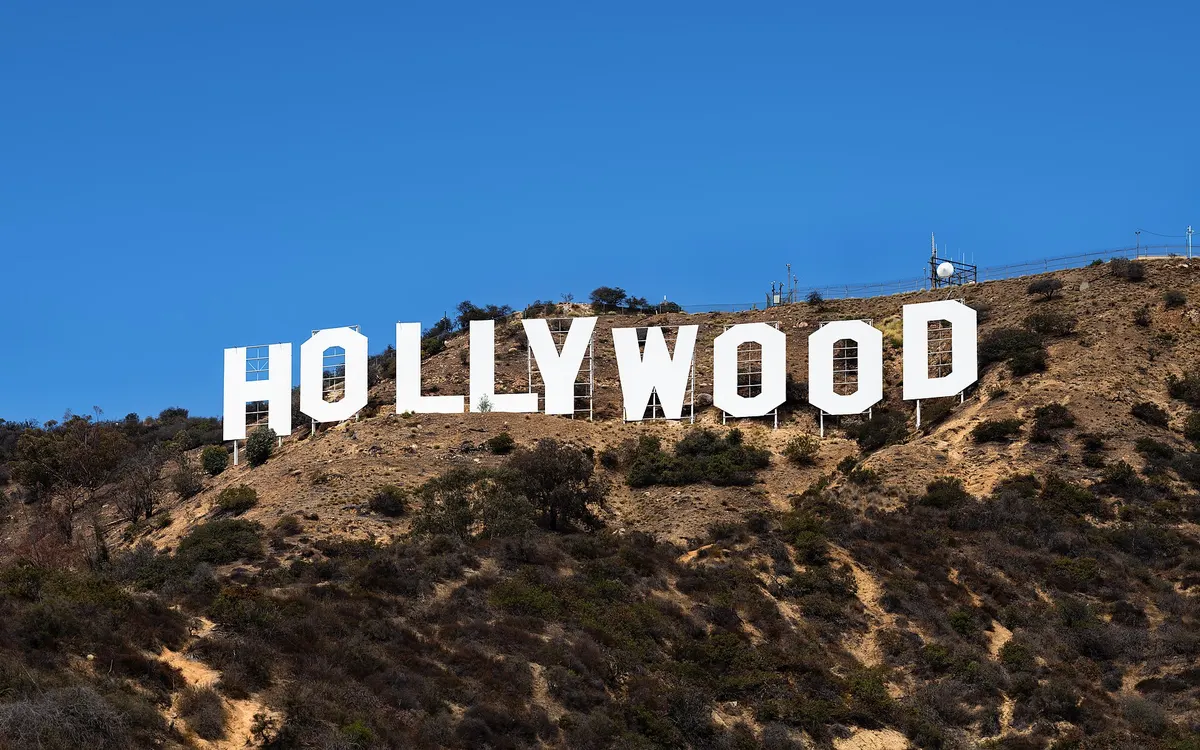
The Joint Committee on Taxation has not published a cost estimate; the Cato Institute figure is an outside estimate reported by Deadline. Lead photo: the Hollywood sign in 2015 (file).
Like US Brief? You can support it with a tip.