
CAA, WME and UTA push law making streamers buy half from indies
CAA, WME, UTA and producers including Blumhouse and Imagine launched the American Entertainment Alliance to seek a law requiring major streamers to spend at least half their original budgets on U.S. independent productions. A streaming industry group called it a "blunt government mandate."
AI-assisted · US Brief desk · Sources listed below
What happened
CAA, WME and UTA, normally fierce rivals, are founding members of a new lobbying group called the American Entertainment Alliance. It wants a federal law requiring big streamers such as Netflix, Prime Video, HBO Max and Disney+ to spend at least 50% of their original-content budgets on shows and movies from U.S. independent studios or producers, Variety reported. Other founding members include Jason Blum's Blumhouse, Ron Howard and Brian Grazer's Imagine Entertainment, Legendary Entertainment, MRC, Peter Chernin's North Road, Anonymous Content, Propagate Content, Producers United, Jeff Sagansky and law firm Ziffren Brittenham.
Why it matters
The launch comes a week after Paramount closed its roughly $110 billion takeover of Warner Bros. Discovery, leaving fewer buyers for new series and films. Deadline noted the number of original TV series has fallen sharply since the "peak TV" years. If a mandate passed, it would reshape who owns hit shows and who profits from them for years after they air.
More context
What else it wants: The group also asks for rules that return licensing and syndication rights to the outside producer after a few years, federal policy to bring film and TV production back to the U.S., and transparency in the recommendation algorithms that decide what viewers see, with a ban on platforms favoring their own titles, according to Variety.
The case for it: "As film and television increasingly consolidate, we need a regulatory framework that puts creators first, protects industry workers and preserves competition," UTA vice chairman Jay Sures said. The alliance says studio consolidation and streaming have "dramatically narrowed the market for independent content" and that U.S. entertainment jobs are at risk.
The case against it: The Streaming Innovation Alliance, whose members include Netflix, Disney, Peacock, Warner Bros. Discovery, Paramount and TelevisaUnivision, said viewers already have more choice than ever. "Adding blunt government mandates into the greenlighting process will only dampen production and discourage creative risk-taking," the group said. The New York Times reported, via TheWrap, that the companies are expected to argue they already buy plenty from outside studios.
Short timeline: In 1970 the FCC adopted the Financial Interest and Syndication (Fin-Syn) rules, which barred ABC, CBS and NBC from owning the shows they aired or controlling reruns. The FCC ended those rules in 1993, and the alliance says "consolidation followed." Last month, lawmakers introduced a separate bill for a 20% federal tax credit on U.S. production labor, with a 5% bonus for independent films, which studios and unions broadly back.
What's still unknown: No bill text or congressional sponsor has been named, and it is not clear how "independent" would be defined or how streamers' budgets would be measured. Streaming companies run large lobbying operations in Washington and are expected to fight any bill.
3 listed sources
References listed by US Brief; a source count is not a verification score.
Editorial sourcing notes
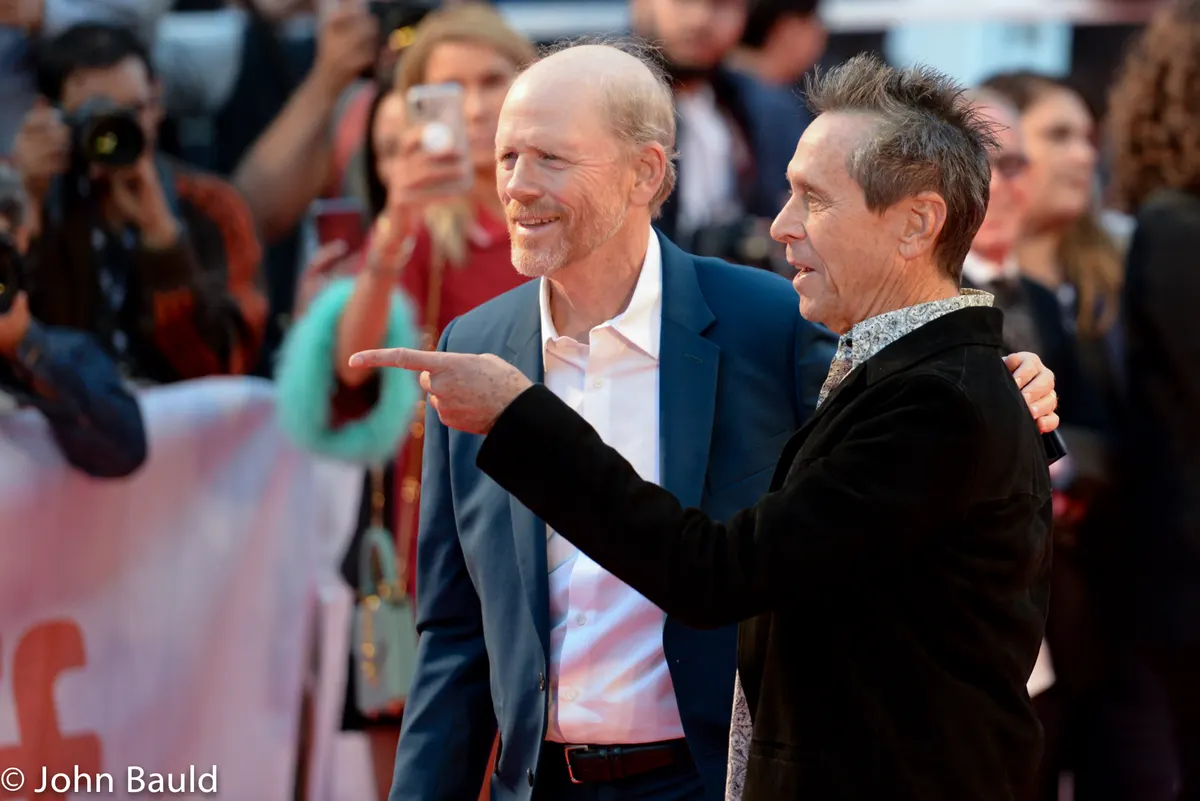
The New York Times first reported the alliance on Oct. 15; details here come from Variety, Deadline and TheWrap, which cite the group's statement and website. No bill has been introduced and no congressional sponsor has been named in that reporting. The Streaming Innovation Alliance response is as quoted by Variety. Both photos are file images, not from the announcement.
Like US Brief? You can support it with a tip.